


"A Hard Day's Night" was the title song to The Beatles' first movie, which was surprisingly good: it was nominated for two Oscars.
Elvis Costello says "Everyday I Write The Book" is a knockoff of Nick Lowe's "When I Write the Book."
Taio Cruz throws his hands up "sometimes" in "Dynamite" because the song was originally written about surrender.
"Baby One More Time," the breakout song for Britney Spears, was originally offered to TLC but they passed on it. The R&B trio didn't feel comfortable singing the line, "hit me baby one more time."
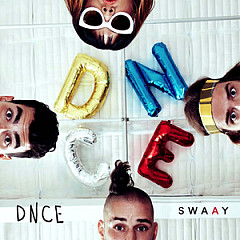
The song title "Cake By The Ocean" originated from DNCE's Swedish producers using the wrong name for the drink "Sex on the Beach."
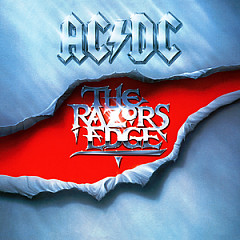
Angus Young created the distinctive opening guitar part for AC/DC's "Thuderstruck" by playing with all the strings taped up except the B. He learned the studio trick from his older brother George Young, who was the rhythm guitarist for The Easybeats.
Doors expert Jim Cherry, author of The Doors Examined, talks about some of their defining songs and exposes some Jim Morrison myths.
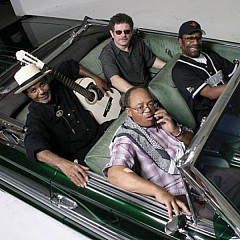
A founding member of the band War, Harold gives a first-person account of one of the most important periods in music history.
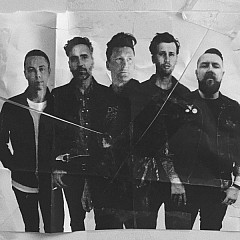
The lead singer/lyricist for Anberlin breaks down "Impossible" and covers some tracks from their 2012 album Vital.
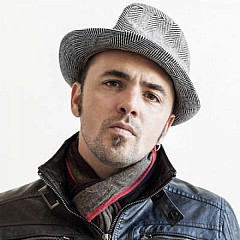
One of Canada's most popular and eclectic performers, Hawksley tells stories about his oldest songs, his plentiful side projects, and the ways that he keeps his songwriting fresh.
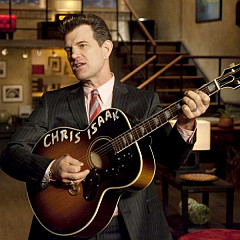
Chris tells the story of "Wicked Game," talks milkshakes and moonpies at Sun Records, and explains why women always get their way.
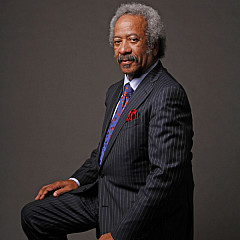
A song he wrote and recorded from "sheer spiritual inspiration," Allen's didn't think "Southern Nights" had hit potential until Glen Campbell took it to #1 two years later.