


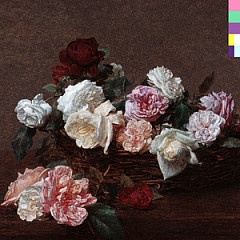
New Order got the title for "Blue Monday" from an illustration that read "Goodbye Blue Monday" in the Kurt Vonnegut book Breakfast Of Champions. The image refers to the invention of the washing machine improving housewives' lives.
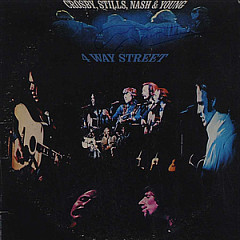
Neil Young wrote the CSN&Y song "Ohio" about the Kent State Shootings, when the National Guard opened fire on students at Kent State University in Ohio, killing four.
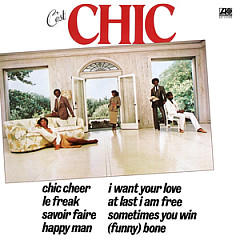
The guys from Chic wrote "Le Freak" as a message to a doorman who wouldn't let them into a club. Originally, it was "F--- Off."
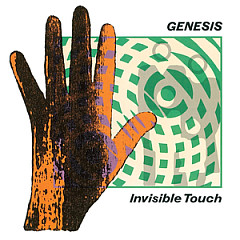
The Genesis song "Invisible Touch" was inspired by the Prince-written Sheila E. track "The Glamorous Life."
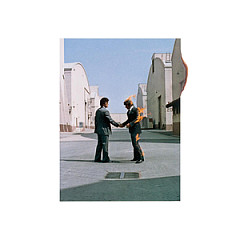
Pink Floyd's "Shine On You Crazy Diamond" is about their founding member Syd Barrett, who became an acid casualty. Notice the S-Y-D in the title.

The Rick James song "Cold Blooded" is about Linda Blair from The Exorcist, his girlfriend at the time. In James' lingo, "cold blooded" means sexy, not cruel.
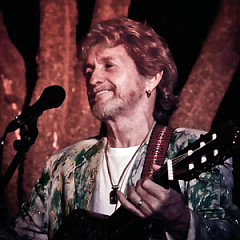
From the lake in "Roundabout" to Sister Bluebird in "Starship Trooper," Jon Anderson talks about how nature and spirituality play into his lyrics for Yes.
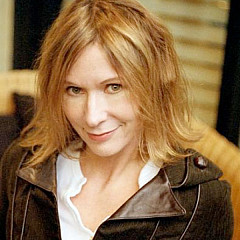
Collaborating with T Bone Burnett, Leslie Phillips changed her name and left her Christian label behind - Robert Plant, who recorded one of her songs on Raising Sand, is a fan.
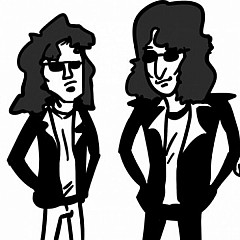
A band so baffling, even their names were contrived. Check your score in the Ramones version of Fact or Fiction.

Did Rivers Cuomo grow up on a commune? Why did they name their albums after colors? See how well you know your Weezer in this Fact or Fiction.
How a gym teacher, a janitor, and a junkie became part of some very famous band names.
