Spooky, Scary Skeletons

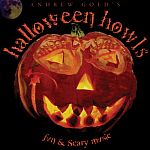
Album: Halloween Howls: Fun & Scary Music (1996)
Charted: 30
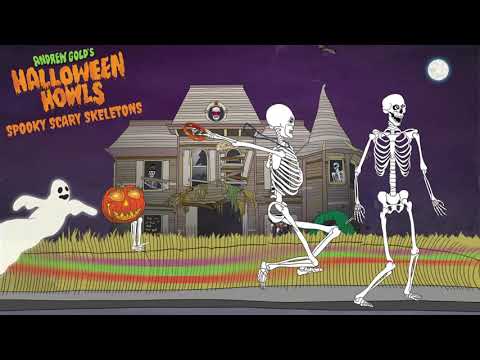
Play Video

Songfacts®:

  • "Spooky, Scary Skeletons" is a tale told through dual narrators: one details how scary skeletons are (they will shock your soul night by screaming at you), the other empathizes with the bony creatures, debunking their misunderstood motives and frightening vibes.
  • The song made its eerie debut on Andrew Gold's 1996 album, Halloween Howls: Fun & Scary Music, where it was one of nine original tracks. Gold was looking to fill the void of fun and spine-tingling Halloween songs.
  • Gold crafted the album at three different studios: Presence Studio in Westport, Connecticut; Quarkbrain Studios in Los Angeles; and Russian Hill Studio in San Francisco. He wore many hats in the production process, handling everything from singing to playing all the instruments.
  • A xylophone represents the sound of skeletal bones rattling on this song. To add a family touch, Gold's daughters, Emily and Victoria, lent their voices to the backing vocals.
  • "Spooky, Scary Skeletons" had a massive resurgence after becoming a viral Internet meme. The story behind this transformation from a quirky novelty to a seasonal classic and TikTok sensation began in 1998 when the song found a place on Disney's home-video release, Sing-Along Songs: Happy Haunting: Party at Disneyland!, where it was paired with the 1929 animated short film "The Skeleton Dance" by Ub Iwerks, creating a spooky synergy.

    In 2010, a YouTube user named TJ Ski, unable to locate the original video online, recreated the pairing from an old VHS tape. Ski's reconstructed version synchronizes music and visuals with a more direct connection. As Gold strikes the xylophone in the song, the animated skeletons mirror the action by playing their own ribcages in a similar fashion. His video has garnered over 30 million views since he uploaded it.

    Three years later, the remix artists known as the Living Tombstone gave "Spooky Scary Skeletons" an electronic dance makeover, infusing it with EDM vibes and cranking up the tempo. This remix further propelled the song's status as an Internet meme.

    By the late 2010s, both "Spooky, Scary Skeletons" and the Living Tombstone remix had become the musical backdrop to a huge Halloween trend on TikTok, ensuring that Andrew Gold's iconic Halloween anthem continued to chill and thrill new generations. It even has its own dance, created by user @minecrafter2011.
  • Andrew Gold died of heart failure on June 3, 2011, after being diagnosed with kidney cancer.

    "Right before Andrew died," his widow Leslie Kogan told Intelligencer, "I showed him the beginnings of this viral song and he was like 'Oh my God.' I'm so happy that he at least got that glimpse of what was happening."

Comments

Be the first to comment...

Editor's Picks

Donnie Iris (Ah! Leah!, The Rapper)

Donnie Iris (Ah! Leah!, The Rapper)Songwriter Interviews

Before "Rap" was a form of music, it was something guys did to pick up girls in nightclubs. Donnie talks about "The Rapper" and reveals the identity of Leah.

Bass Player Scott Edwards

Bass Player Scott EdwardsSong Writing

Scott was Stevie Wonder's bass player before becoming a top session player. Hits he played on include "I Will Survive," "Being With You" and "Sara Smile."

Chris Fehn of Slipknot

Chris Fehn of SlipknotSongwriter Interviews

A drummer for one of the most successful metal bands of the last decade, Chris talks about what it's like writing and performing with Slipknot. Metal-neck is a factor.

Carol Kaye

Carol KayeSongwriter Interviews

A top session musician, Carol played on hundreds of hits by The Beach Boys, The Monkees, Frank Sinatra and many others.

James Bond Theme Songs

James Bond Theme SongsMusic Quiz

How well do you know the 007 theme songs?

Annie Haslam of Renaissance

Annie Haslam of RenaissanceSongwriter Interviews

The 5-octave voice of the classical rock band Renaissance, Annie is big on creative expression. In this talk, she covers Roy Wood, the history of the band, and where all the money went in the '70s.