
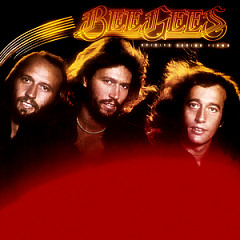
The thunderclap sound heard in the Bee Gees song "Tragedy" was made by Barry Gibb with his mouth - he could have been a really good beatboxer!
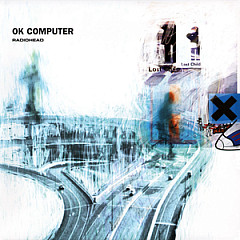
Radiohead's "Paraonid Android" was written after a confrontation in a Los Angeles bar with an irate woman.
In 1939, a polka craze swept America thanks to "Beer Barrel Polka (Roll Out The Barrel)."
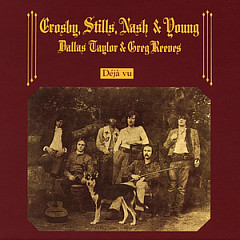
Joni Mitchell wrote "Woodstock" - the most popular song about the festival - but didn't attend the event because she was booked on The Dick Cavett Show.
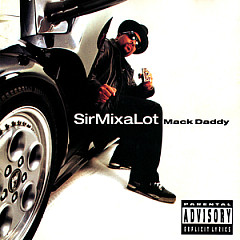
"Baby Got Back" isn't just a booty song. According to Sir Mix-A-Lot, it's about "lack of acceptance by Hollywood of the African-American body."
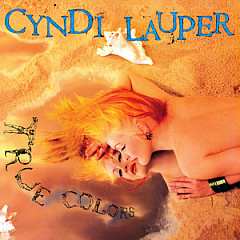
With a message of acceptance and inclusivity, "True Colors" became a gay rights anthem. Cyndi Lauper help form an organization called True Colors United to help support LGBTQ youth.
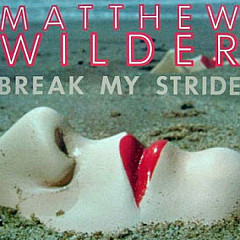
Wilder's hit "Break My Stride" had an unlikely inspiration: a famous record mogul who rejected it.
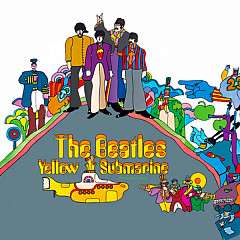
"25 or 6 to 4" to "Semi-Charmed Life" - see if you can spot the songs that are really about drugs.

Rise Against frontman Tim McIlrath explains the meanings behind some of their biggest songs and names the sci-fi books that have influenced him.
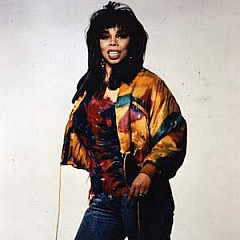
Outrageously gifted and just plain outrageous, Millie is an R&B and Rap innovator.
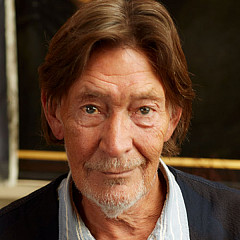
It took him seven years to recover from his American hit "Fool (If You Think It's Over)," but Chris Rea became one of the top singer-songwriters in his native UK.
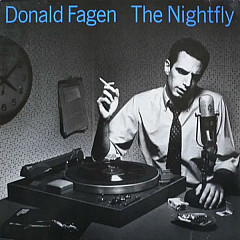
Fagen talks about how the Steely Dan songwriting strategy has changed over the years, and explains why you don't hear many covers of their songs.