

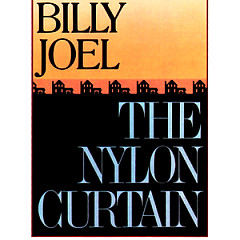
Billy Joel's song "Allentown" was written as "Levittown," which is the town in Long Island where he grew up. He got the idea to change it after taking a trip to Pennsylvania.
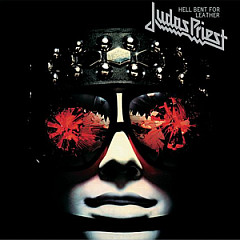
Judas Priest's "Evening Star" is a Christmas carol that describes the journey of the Magi from a first person perspective.
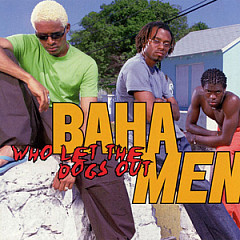
"Who Let The Dogs Out" won a Grammy. It took the award for Best Dance Recording in 2000.
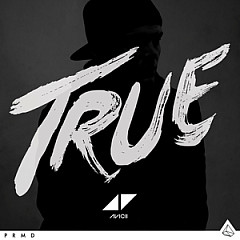
Dan Tyminski, the singer on Avicii's "Hey Brother" is the same guy who sang lead vocal on "A Man Of Constant Sorrow" in the movie O’ Brother, Where Art Thou.
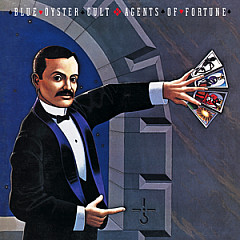
Buck Dharma of Blue Oyster Cult wrote "(Don't Fear) The Reaper" after he was diagnosed with a heart condition and started thinking about his own mortality.
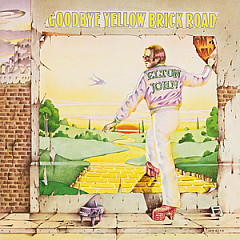
"Goodbye Yellow Brick Road" is one of the few Bernie Taupin lyrics that is more about him than Elton John. The song is about giving up glitz for the simple life - not exactly Elton's M.O.

Since emerging from MySpace with her hit "Bubbly," Colbie has become a top songwriter, even crafting a hit with Taylor Swift.
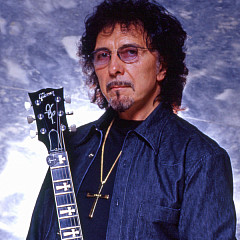
Guitarist Tony Iommi on the "Iron Man" riff, the definitive Black Sabbath song, and how Ozzy and Dio compared as songwriters.

Yngwie Malmsteen and Steve Vai were two of Graham's co-writers for some '80s rock classics.
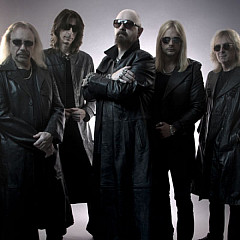
Rob Halford, Richie Faulkner and Glenn Tipton talk twin guitar harmonies and explain how they create songs in Judas Priest.

Tom talks about the evolution of Cinderella's songs through their first three albums, and how he writes as a solo artist.
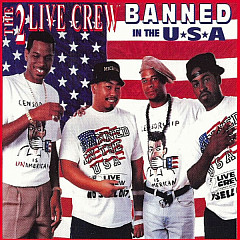
In the summer of 1990, you could get arrested for selling a 2 Live Crew album or performing their songs in Southern Florida. And that's exactly what happened.