A National Acrobat

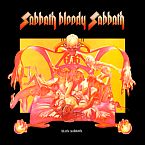
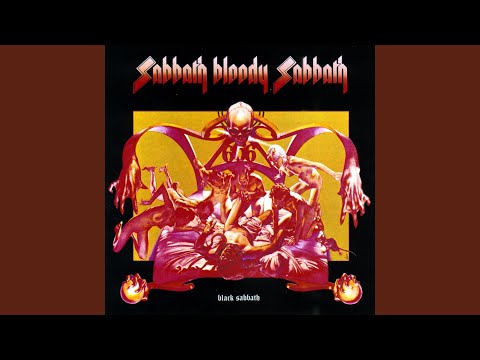
Album: Sabbath Bloody Sabbath (1973)
Play Video

Songfacts®:

  • Black Sabbath lyrics are often filled with fantastical sci-fi images or dark matter like paranoia or addiction. In "A National Acrobat," though, we hear about conception, with references to embryonic cells and unborn children. Their lyricist at this time was their bass player, Geezer Butler. He explained it to Songfacts.

    "It's about sperm and all the lives that could have been," he said. "It's like, billions to one. But that sperm becomes you, and all the other sperms that could have been and never were, what their lives could have been."
  • The title "A National Acrobat" never shows up in the lyric. Butler told Songfacts the significance: "Sperm swimming towards the egg and being pushed away from the egg... I don't know what drugs I was on at the time! In my mind, it was like an acrobat swimming away from the egg."
  • "A National Acrobat" is one of the weightier songs on Black Sabbath's fifth album, Sabbath Bloody Sabbath, from 1973. By this time they had gelled musically but were starting to feel the ravages of their addictions; lead singer Ozzy Osbourne was the most volatile. Their popularity started to decline with the release of their next album, Sabotage, in 1975. In 1979, Ozzy got the boot, replaced by Ronnie James Dio. Ozzy emerged as a formidable solo artist, and Sabbath prospered - for a while, at least - with Dio at the helm. Ozzy reunited with Sabbath from time to time but didn't put out another studio album with the band until 2013, when they released 13.
  • Black Sabbath drummer Bill Ward didn't just pound away on this one - he brought a reggae and jazz feel to the track. That wasn't unusual for the band.

    "We came from a city that had reggae," he told The Quietus in 2015. "That's often forgotten and especially for drumming because in reggae the one [beat], or the actual bass drum sound in reggae, sounds a little bit kind of off; it passes the rhythm."

    "A lot of the drumming with Black Sabbath is behind the beat," he added. "It's nice, especially when we played really slow because when you're playing slow and the guitars are tuned down it gives this huge, erroneous, demonic sound and we f--king loved that! It was like apple pie and custard to us. At the same time, when you're playing behind the beat, it holds it all down. I think I learned all those things listening to jazz and music that was that little bit different."

Comments

Be the first to comment...

Editor's Picks

Timothy B. Schmit

Timothy B. SchmitSongwriter Interviews

The longtime Eagle talks about soaring back to his solo career, and what he learned about songwriting in the group.

Rufus Wainwright

Rufus WainwrightSongwriter Interviews

Rufus Wainwright on "Hallelujah," his album Unfollow The Rules, and getting into his "lyric trance" on 12-hour walks.

Stand By Me: The Perfect Song-Movie Combination

Stand By Me: The Perfect Song-Movie CombinationSong Writing

In 1986, a Stephen King novella was made into a movie, with a classic song serving as title, soundtrack and tone.

Sarah Brightman

Sarah BrightmanSongwriter Interviews

One of the most popular classical vocalists in the land is lining up a trip to space, which is the inspiration for many of her songs.

Grateful Dead Characters

Grateful Dead CharactersMusic Quiz

Many unusual folks appear in Grateful Dead songs. Can you identify them?

Christopher Cross

Christopher CrossSongwriter Interviews

The man who created Yacht Rock with "Sailing" wrote one of his biggest hits while on acid.