
The Wind

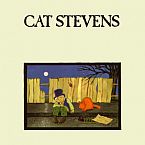
Album: Teaser And The Firecat (1971)
Play Video

Songfacts®:

  • In this song, Cat Stevens examines spirituality and fate, listening to the wind of his soul to find his direction. At the time, he was exploring Eastern philosophy following a life-threatening bout of tuberculosis. His quest led him to convert to Islam in 1977, when he became Yusuf Islam. When he started performing his Cat Stevens songs again in the '00s, "The Wind" is one he often played.
  • The song, only 1:42 long, is the first track of Stevens' fifth album, Teaser And The Firecat. The album shares its name with an illustrated children's tale he created and had published a year later as a music video for the song "Moonshadow." >>>
    Suggestion credit:
    P.A. - Paris, France
  • Yusuf (Cat Stevens) shared his thoughts on this song in a 2022 Rolling Stone interview: "I'm talking to somebody; I think it's the divine, but I'm not quite sure, and because I'm not sure, it's universal. My goal was to be able to detach myself from my physical surroundings and material things. I was very earnestly searching. I would visit esoteric bookshops whenever I could, and pick up whatever new pathway to the truth I could find."
  • "The Wind" was used in films Almost Famous (2000) and Rushmore (1998). It also appears in:

    Gifted (2017)
    Sing (2016)
    Finsterworld (2013)
    Multiple Sarcasms (2010)

    And in episodes of This Is Us ("The Best Washing Machine in the Whole World" - 2016) and How I Met Your Mother ("The Magician's Code: Part 2" - 2012).
  • Natalie Imbruglia included her version of this on her 2014 album Male, where she took songs from male artists and approached them from a female perspective. She explained to Entertainment Weekly how "The Wind" fit into the collection: "This is the more spiritual song out of the bunch. That's another element out of my personality that I wanted to include. I love the way he's put the experiences of his spirituality into his music."

Comments: 1

  • Deethewriter from Saint Petersburg, Russia FederationTaken from Original Rolling Stone 'Teaser and The Firecat' LP Review [December 9, 1971]: "The Wind" is a model of economical songwriting, a far cry from the early pop songs in which Cat endlessly repeated the same trivial verse, padding it out with meaningless breaks. In less than two minutes, "The Wind" compresses Cat's philosophy and a description of his working methods into a few mysterious images. The language is beautifully controlled, the melody is exquisite, the vocal is soulfully phrased, and the two guitars play in elegant counterpoint. A gem."
see more comments

Editor's Picks

Michael Bolton

Michael BoltonSongwriter Interviews

Into the vaults for this talk with Bolton from the '80s when he was a focused on writing songs for other artists.

Judas Priest

Judas PriestSongwriter Interviews

Rob Halford, Richie Faulkner and Glenn Tipton talk twin guitar harmonies and explain how they create songs in Judas Priest.

Bands Named After Real People (Who Aren't In The Band)

Bands Named After Real People (Who Aren't In The Band)Song Writing

How a gym teacher, a janitor, and a junkie became part of some very famous band names.

Phone Booth Songs

Phone Booth SongsSong Writing

Phone booths are nearly extinct, but they provided storylines for some of the most profound songs of the pre-cell phone era.

Susanna Hoffs - "Eternal Flame"

Susanna Hoffs - "Eternal Flame"They're Playing My Song

The Prince-penned "Manic Monday" was the first song The Bangles heard coming from a car radio, but "Eternal Flame" is closest to Susanna's heart, perhaps because she sang it in "various states of undress."

Holly Knight ("The Best," "Love Is A Battlefield")

Holly Knight ("The Best," "Love Is A Battlefield")Songwriter Interviews

Holly Knight talks about some of the hit songs she wrote, including "The Warrior," "Never" and "The Best," and explains some songwriting philosophy, including how to think of a bridge.