After The Ball

Album: Favorites (1892)
Play Video

Songfacts®:

  • "After The Ball" was the first ever million seller; it is credited to American songwriter Charles K. Harris (1867-1930), although it is possible that it was written at least in part by someone else. The song was probably penned in 1891, and was published the following year, becoming an absolutely massive hit.

    In 1893 it was published in London by Howard & Co, arranged by J.Clauder; the following year it was published in Sweden, and as well as being widely recorded has been parodied. "After The Ball" is sometimes credited with beginning the commercial exploitation of popular music or even with the music industry itself.
  • The story behind the song is that Harris watched two young lovers at a dance in Chicago quarrel and leave separately, which prompted him to make a note "Many a heart is aching, after the ball." Later, although using that same line, he altered the story to that of an old man relating the tragic tale of a lost love to his young niece.
  • Although it became the biggest commercial hit of the 1890s, it nearly didn't happen. The original singer, Sam Doctor, forgot the words, which can't have gone down well with the audience, but Harris published the song himself and found another singer, baritone J. Aldrich Libby, who sang it in A Trip To Chinatown. It is reputed eventually to have sold over five million copies.
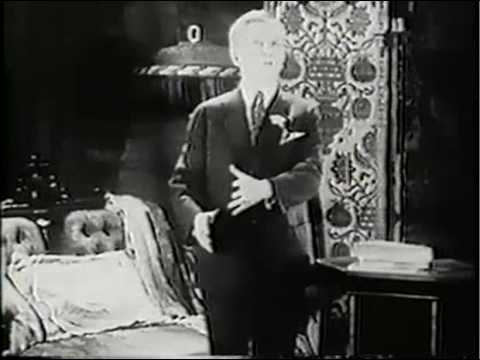
  • Although Harris was not a performer, there is extant footage of him singing the song himself, shortly before his death. The title has become a cliché, and was used for a 1932 film starring Basil Rathbone and a 1954 musical by Noël Coward. >>>
    Suggestion credit:
    Alexander Baron - London, England, for above 2

Comments: 2

  • Jennifer from Nebraska, UsaWhen I was a kid, my grandma sang this chorus to my siblings and cousin to make us feel better. But I ended up doing the opposite and crying.
  • Anita from Maryland, UsaMy Mom sang the chorus to me and my sister
see more comments

Editor's Picks

Jimmy Webb

Jimmy WebbSongwriter Interviews

Webb talks about his classic songs "By the Time I Get to Phoenix," "Wichita Lineman" and "MacArthur Park."

Director Paul Rachman on "Hunger Strike," "Man in the Box," Kiss

Director Paul Rachman on "Hunger Strike," "Man in the Box," KissSong Writing

After cutting his teeth on hardcore punk videos, Paul defined the grunge look with his work on "Hunger Strike" and "Man in the Box."
Album Cover Inspirations

Album Cover InspirationsSong Writing

Some album art was at least "inspired" by others. A look at some very similar covers.
In The Cards

In The CardsSong Writing

Songwriters have used cards and card games to make sense of heartache, togetherness, and even Gonorrhea.
Wherefore Art Thou Romeo Lyric

Wherefore Art Thou Romeo LyricMusic Quiz

In this quiz, spot the artist who put Romeo into a song lyric.

Lip-Synch Rebels

Lip-Synch RebelsSong Writing

What happens when Kurt Cobain, Iron Maiden and Johnny Lydon are told to lip-synch? Some hilarious "performances."