

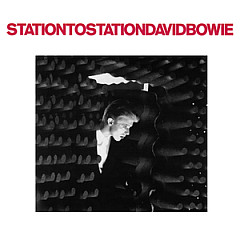
David Bowie's "Station to Station" is over 10 minutes long. Bowie was doing a lot of drugs at the time and later said, "I have only flashes of making it."
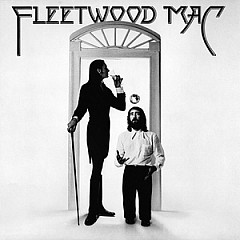
"Rhiannon" is a Welch goddess. Stevie Nicks wrote the song, and it was a huge influence on her image, inspiring her flowing shawls and black outfits she began wearing on stage.

When Rihanna's "Umbrella" was a hit in the summer of 2007, it rained constantly in London, prompting their newspaper The Sun to suggest a "Rihanna Curse."
The song "Grease," sung by Frankie Valli in the 1978 movie, was written by Barry Gibb of The Bee Gees.
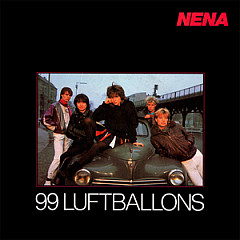
"99 Luftballons" by Nena is about a Cold War scare when balloons showed up on radar and were mistaken as a nuclear threat.
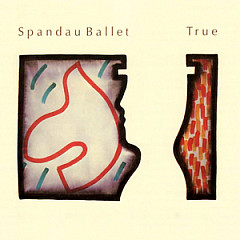
"True" by Spandau Ballet has some lyrics based on parts of the Vladimir Nabokov novel Lolita, including "Take your seaside arms," which in the book is "That little girl with her seaside limbs."
How well do you know your David Bowie lyrics? Take this quiz to find out.
Katy Perry mentions McDonald's, Beyoncé calls out Red Lobster, and Supertramp shouts out Taco Bell - we found the 10 restaurants most often mentioned in songs.
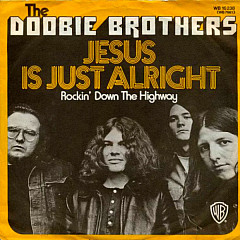
These overtly religious songs crossed over to the pop charts, despite resistance from fans, and in many cases, churches.

At 80 years old, Yoko has 10 #1 Dance hits. She discusses some of her songs and explains what inspired John Lennon's return to music in 1980.
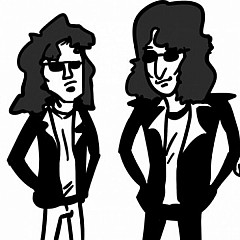
A band so baffling, even their names were contrived. Check your score in the Ramones version of Fact or Fiction.
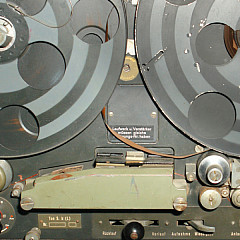
How Bing Crosby, Les Paul, a US Army Signal Corps Officer, and the Nazis helped shape rock and Roll.