


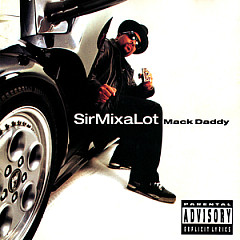
"Baby Got Back" isn't just a booty song. According to Sir Mix-A-Lot, it's about "lack of acceptance by Hollywood of the African-American body."
R.E.M. got the title "Shiny Happy People" from a Chinese propaganda poster.
The setting for the Queensrÿche song "Jet City Woman" is Seattle, the "jet city."
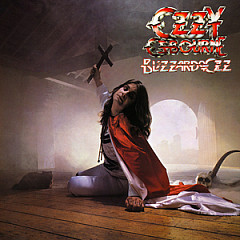
The Ozzy Osbourne song "Mr. Crowley" is about Aleister Crowley, a British practitioner of dark magic in the early 1900s.
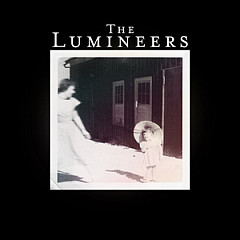
"Ho Hey" by The Lumineers is about New York City, where lead singer Wesley Schultz moved to make it in music. He was dismayed to find many "trust fund kids" in the music scene while he struggled to pay the rent.
The name "Schoolhouse Rock," which was a series of educational cartoons, was a play on "Jailhouse Rock," the title of an Elvis Presley song.
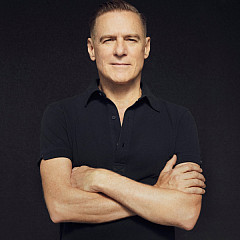
What's the deal with "Summer of '69"? Bryan explains what the song is really about, and shares more of his songwriting insights.
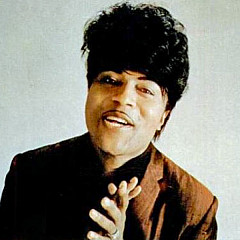
Was Long Tall Sally a cross-dresser? Did he really set his piano on fire? See if you know the real stories about one of rock's greatest innovators.
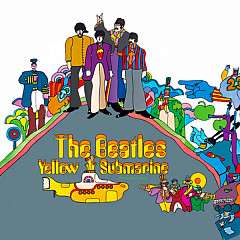
"25 or 6 to 4" to "Semi-Charmed Life" - see if you can spot the songs that are really about drugs.
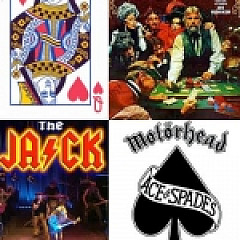
Songwriters have used cards and card games to make sense of heartache, togetherness, and even Gonorrhea.
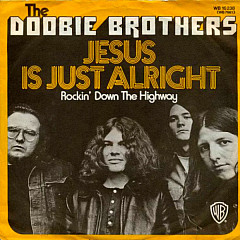
These overtly religious songs crossed over to the pop charts, despite resistance from fans, and in many cases, churches.

"Mony Mony," "Crimson and Clover," "Draggin' The Line"... the hits kept coming for Tommy James, and in a plot line fit for a movie, his record company was controlled by the mafia.