
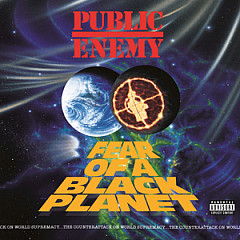
"Fight The Power" was written for the Spike Lee movie Do The Right Thing. It opens the film and serves as the motif.
"Santa Claus Is Coming To Town" was first recorded in 1934 by Eddie Cantor, but in 1962 it was one of the first hits for The Four Seasons, who became one of the most popular groups of that decade.
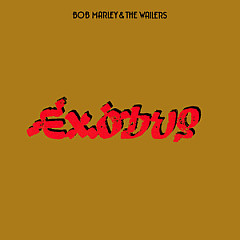
Bob Marley's backup singers, The I Threes, claim they are the "Three Little Birds" in his famous song.
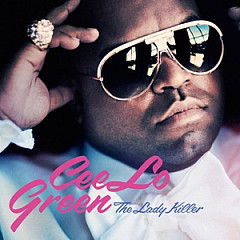
The dirty version of Cee-Lo Green's "Forget You" contains 16 F-bombs. He recorded a clean version as an afterthought, "just in case."
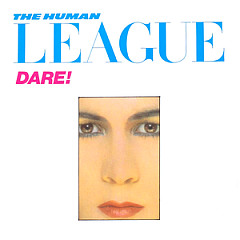
"Don't You Want Me" by The Human League was inspired by the 1976 movie A Star Is Born, which tells the story of an aging star who is upstaged by his lover/protégé. The group had just introduced two unheralded female singers into their lineup, so many assumed it was about them.
The New Year's Eve favorite "Auld Lang Syne" is a Scottish song that roughly translates to "Days Of Long Ago."
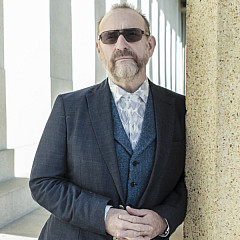
Established as a redoubtable singer-songwriter, the Men At Work frontman explains how religion, sobriety and Jack Nicholson play into his songwriting.
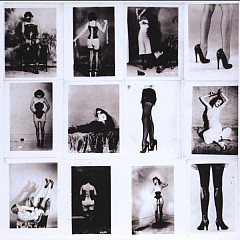
The Nails lead singer Marc Campbell talks about those 44 women he sings about over a stock Casio keyboard track. He's married to one of them now - you might be surprised which.
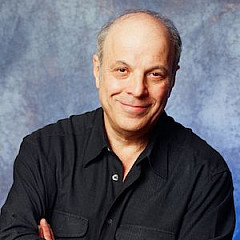
After studying in Paris with a famous composition teacher, Charles became the most successful writer of TV theme songs.
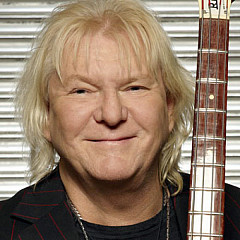
One of the most dynamic bass player/songwriters of his time, Chris is the only member of Yes who has been with the band since they formed in 1968.
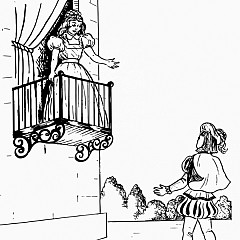
In this quiz, spot the artist who put Romeo into a song lyric.
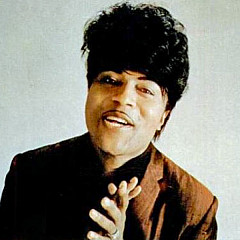
Was Long Tall Sally a cross-dresser? Did he really set his piano on fire? See if you know the real stories about one of rock's greatest innovators.