
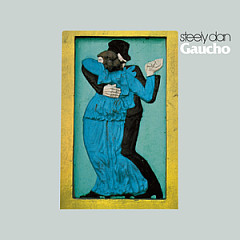
Steely Dan's engineer, Roger Nichols, built one of the first drum machines, which they used on "Hey Nineteen."
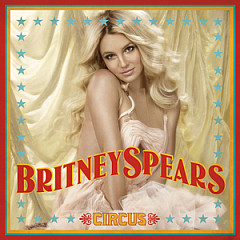
Before she was famous, Lady Gaga was a staff songwriter, and wrote the song "Quicksand," which Britney Spears recorded in 2008.
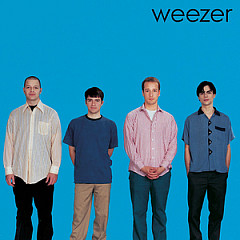
Weezer's "Undone - The Sweater Song" was written as a sad song about depression, but listeners heard it as a funny, ironic song.
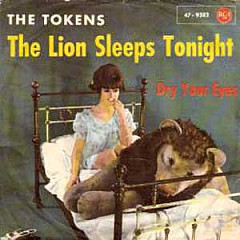
"The Lion Sleeps Tonight" is an English version of a Zulu hunting song from the 1930s.
The Starland Vocal Band got the title "Afternoon Delight" from the late-afternoon appetizer menu at the restaurant Clyde's Of Georgetown in Washington, DC.

"1979" by Smashing Pumpkins is about Billy Corgan entering adulthood. A more accurate year would be 1983, but 1979 was easier to rhyme.
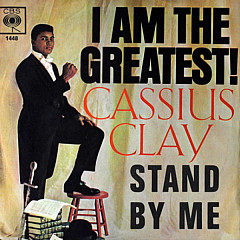
Before he was the champ, Ali released an album called I Am The Greatest!, but his musical influence is best heard in the songs he inspired.
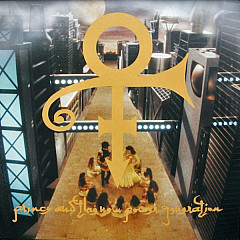
The evolution of the symbol that was Prince's name from 1993-2000.

The country sweetheart opines about the demands of touring and talks about writing songs with her famous father.
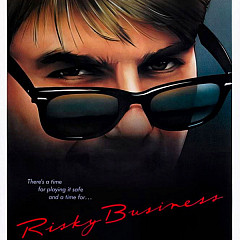
You know the scenes - Tom Cruise in his own pants-off dance off, Molly Ringwald celebrating her birthday - but do you remember what song is playing?

Despite her reticent personality, Adele's life and music are filled with intrigue. See if you can spot the true tales.
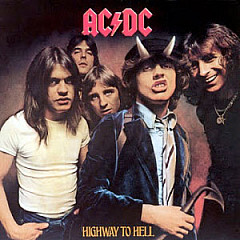
We ring the Hell's Bells to see what songs and rockers are sincere in their Satanism, and how much of it is an act.