Comeback

Album: Feline (2014)
Charted: 12
Play Video

Songfacts®:

  • This horn-led, feel-good cut about empowerment, independence and strength was released as the follow-up to Ella Eye's "If I Go" single. The song is based on a breakup the London soul songstress went through when she was 17, but written from the point of view of speaking to a troubled best friend. "We've all been played, we've all been hurt, just take the pain, let that motherf---er burn. you will find in time, that they always come back," she said.

    "If 'If I Go' was about whether or not I should leave a relationship, then 'Comeback' is the aftermath," Eyre added. "There's no more vulnerability, it's a very defiant 'f--k you.'"
  • The song's music video was helmed by Los Angeles-based director Jon Jon Augustavo (Macklemore and Ryan Lewis' "Thrift Shop"). The clip finds Eyre trashing the house of a cheating ex-boyfriend.
  • Ella Eyre told Digital Spy she is reality friends with her exes. "I let them burn to a certain degree and then I put out the fire for a while," she said.

    "I think that everyone has that moment, especially when they've been taken advantage of and they feel s--t that they have that anger period," the songstress added. "And I think that anger period is actually incredibly important because it helps people get over that initial pain and that hurt."

    "A song like this for me makes me feel better about certain things, especially when I'm feeling down," Eyre continued. "It's definitely a motivational song and it goes down really, really well live."
  • Eyre recalled writing the song during Camp Bestival in 2015 at the Guardian Literary Institute. "I remember once, when I was in Sweden writing 'Comeback,' we couldn't get the chorus right so we went off and played tennis and came back," she said. "Then we got halfway through the chorus and then went off and had sushi and then finished it. It's all about making sure that you enjoy the writing process. I don't want to ever fall out of love with writing, so I want to make sure that I enjoy it at all times."

    She went on to reveal how much she enjoyed composing the tune. "I think my favorite song to write was probably 'Comeback.' Not just because it's explicit but because I was having quite a hard time when I wrote it and it's one of those songs where I was fighting back and it made me feel better." She continued, "It's the kind of song you fight back and say 'nah I'm not going to take this' and hopefully people related to it in that sense. It was great to write because it was good to get off my chest."
  • When asked about whether she had to fight for the word "motherf--ker" to stay in the song, Eyre replied in her Guardian Literary Institute interview: "Yes and no, they battled against it because obviously it had to go on radio but I think anyone who heard the song knew that it was appropriate. Even my mum, who doesn't like me swearing."

Comments

Be the first to comment...

Editor's Picks

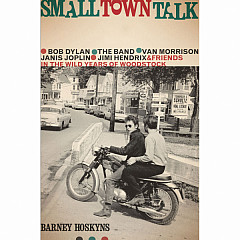
Barney Hoskyns Explores The Forgotten History Of Woodstock, New York

Barney Hoskyns Explores The Forgotten History Of Woodstock, New YorkSong Writing

Our chat with Barney Hoskyns, who covers the wild years of Woodstock - the town, not the festival - in his book Small Town Talk.
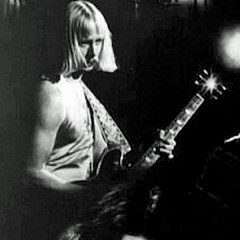
Kerry Livgren of Kansas

Kerry Livgren of KansasSongwriter Interviews

In this talk from the '80s, the Kansas frontman talks turning to God and writing "Dust In The Wind."
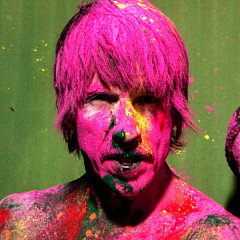
Spot The Real Red Hot Chili Peppers Song Titles

Spot The Real Red Hot Chili Peppers Song TitlesMusic Quiz

The Red Hot Chili Peppers have some rather unusual song titles - see if you can spot the real ones.

Grateful Dead Characters

Grateful Dead CharactersMusic Quiz

Many unusual folks appear in Grateful Dead songs. Can you identify them?
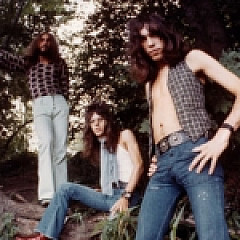
Richie Wise (Kiss producer, Dust)

Richie Wise (Kiss producer, Dust)Songwriter Interviews

Richie talks about producing the first two Kiss albums, recording "Brother Louie," and the newfound appreciation of his rock band, Dust.

Tim McIlrath of Rise Against

Tim McIlrath of Rise AgainstSongwriter Interviews

Rise Against frontman Tim McIlrath explains the meanings behind some of their biggest songs and names the sci-fi books that have influenced him.