
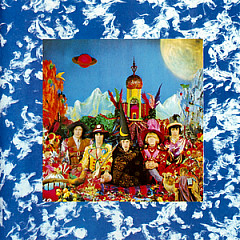
It was never a big hit, but "She's A Rainbow" became one of the most popular Rolling Stones songs in the digital age when it started showing up in commercials (iMac, Photoshop), and TV shows (American Horror Story: Coven, Ted Lasso).
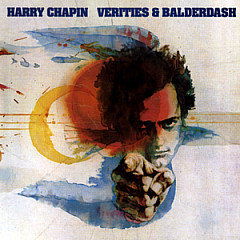
Harry Chapin's wife Sandy wrote the lyrics to "Cat's In The Cradle," which were actually about her first husband.
Elton John had a huge hit duetting with Kiki Dee on "Don't Go Breaking My Heart," but he's also performed it with RuPaul and Miss Piggy.
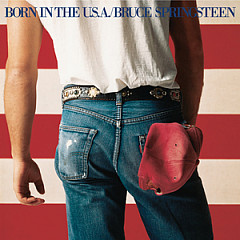
Bruce Springsteen's "Born In The U.S.A." was inspired by the book (later a movie) Born On The Fourth Of July by Ron Kovic, a Vietnam veteran who protested the war when he returned home.
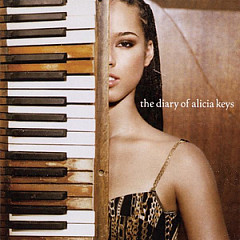
Alicia Keys wrote "If I Ain't Got You" just after she'd heard the news that Aaliyah had passed away. in a plane crash.

The Dave Matthews Band song "Crash Into Me" seems pretty romantic, but the guy in the song is kind of a stalker. Matthews calls him "the kind of man you'd call the police on."
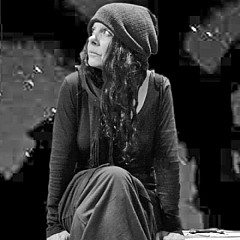
The singer/bassist for Concrete Blonde talks about how her songs come from clairvoyance, and takes us through the making of their hit "Joey."

Are classic songs like "Over The Rainbow" and "Take Me Out to the Ballgame" in the public domain?
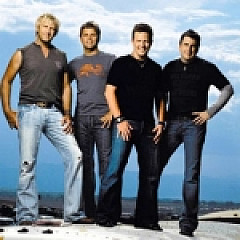
Richie talks about the impact of "Amazed," and how his 4-year-old son inspired another Lonestar hit.
Even before Soundgarden wrote a song about him, Artis was the most famous spoon player of all time. So why has he always been broke?
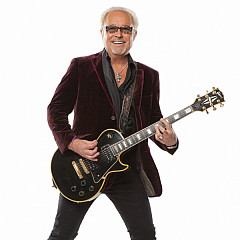
Foreigner's songwriter/guitarist tells the stories behind the songs "Juke Box Hero," "I Want To Know What Love Is," and many more.
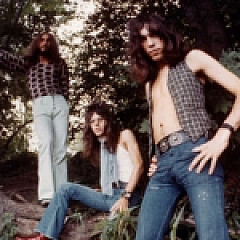
Richie talks about producing the first two Kiss albums, recording "Brother Louie," and the newfound appreciation of his rock band, Dust.