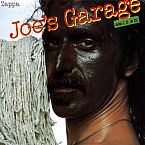
Joe's Garage

Album: Joe's Garage (1979)
Play Video

Songfacts®:

  • Running 6:10, "Joe's Garage" is the title track to Frank Zappa's 1979 triple album, a concept album that tells the story of a young man (Joe) who wants to be a rock star. The garage is where practices music with his band, a quintessential and very literal garage band.

    Typical of Zappa, the song is quite witty and slips in some commentary on censorship. At the end, Joe is arrested for the crime of playing music.

    Zappa never got much airplay, but the few stations that played him often had this song in rotation.
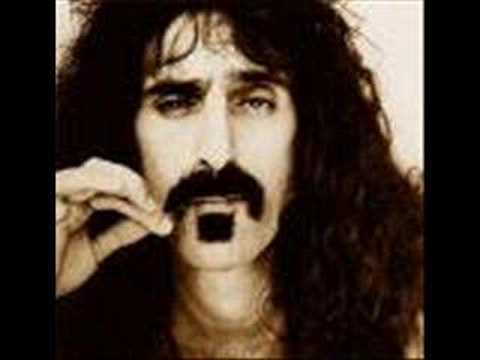
  • Frank Zappa, who died from prostate cancer in 1993 at 52, called his rehearsal space "Joe's Garage."

    Apparently, the padded cell from Quiet Riot's "Metal Health" video ended up there.
    Their bass player, Rudy Sarzo, told Greg Prato: "I look at the back of the stage wall... and it's the padded cell! It wound up at Frank Zappa's rehearsal place."
  • In the liner notes to the album, Zappa makes a barely passing reference to music being censored in Iran, which led some folks to believe the song was inspired by the Iran Hostage Crisis, but the American hostages weren't taken until months after the album was released.
  • Zappa was an extremely outspoken enemy of religion, government, commercialism, and just about anything else, so this song and album are right in character. Joe's Garage has parodies of a broad range of subjects - there's "L. Ron Hoover" and the "First Church of Appliantology," the Roman Catholic and Christian churches, lots of references to kinky sex (he also mocked that a lot), the "Central Scrutinizer" is kind of like Orwell's Big Brother - referencing government censorship, making fun of "dope and LSD" and snorting lines of detergent, the music industry in general... you get the picture.

    The ban-on-music thing in the story stems from the government's "Total Criminalization" policy, where this new philosophy passes the legislature that states that "all humans are inherently criminals" and it's the government's job to keep making up laws to give them an excuse to throw everybody in jail.

    Bottom line: You can't narrow the theme of the album down to one thing. If anything, it was more Zappa's general mockery of the whole capitalist-industrial military-religion complex, and mentioning Iran was just his way of saying "Look what could happen here! It happened there, after all." Seeing as how this came out before the PMRC targeted Zappa for obscenity in lyrics which led to parental advisory stickers on album, that kind of makes him a prophet.

Comments

Be the first to comment...

Editor's Picks

Barney Hoskyns Explores The Forgotten History Of Woodstock, New York

Barney Hoskyns Explores The Forgotten History Of Woodstock, New YorkSong Writing

Our chat with Barney Hoskyns, who covers the wild years of Woodstock - the town, not the festival - in his book Small Town Talk.
Kerry Livgren of Kansas

Kerry Livgren of KansasSongwriter Interviews

In this talk from the '80s, the Kansas frontman talks turning to God and writing "Dust In The Wind."
Spot The Real Red Hot Chili Peppers Song Titles

Spot The Real Red Hot Chili Peppers Song TitlesMusic Quiz

The Red Hot Chili Peppers have some rather unusual song titles - see if you can spot the real ones.
Grateful Dead Characters

Grateful Dead CharactersMusic Quiz

Many unusual folks appear in Grateful Dead songs. Can you identify them?
Richie Wise (Kiss producer, Dust)

Richie Wise (Kiss producer, Dust)Songwriter Interviews

Richie talks about producing the first two Kiss albums, recording "Brother Louie," and the newfound appreciation of his rock band, Dust.

Tim McIlrath of Rise Against

Tim McIlrath of Rise AgainstSongwriter Interviews

Rise Against frontman Tim McIlrath explains the meanings behind some of their biggest songs and names the sci-fi books that have influenced him.