
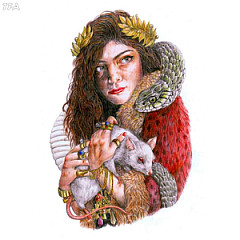
16-tear-old Lorde wrote the lyrics to "Royals" at home in just half an hour. She was inspired by the "ridiculous, unrelatable, unattainable opulence" that runs through such albums as Kanye West and Jay-Z's Watch the Throne and Lana Del Rey's Born To Die.
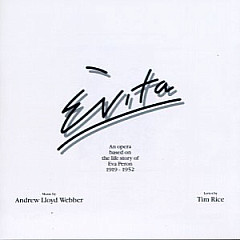
Featured in the 1978 musical Evita, "Don't Cry For Me Argentina" became the biggest selling UK hit by a female vocalist (Julie Covington).
In the Belly song "Feed The Tree," the title is a reference to bodies buried under a large tree, thus feeding it. The song is about death, and also respect - take your hat off for those feeding the tree!
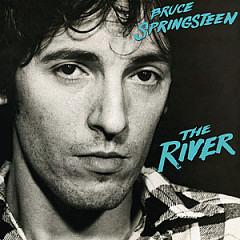
Bruce Springsteen originally wrote "Hungry Heart" for The Ramones, but decided to keep it for himself on the advice of his producer and manager, Jon Landau.
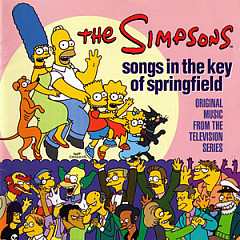
The Simpsons theme song was composed by Danny Elfman, who went on to write music for films like Edward Scissorhands and Men In Black. He had a band at the time called Oingo Boingo, which did the theme song to the 1985 movie Weird Science.
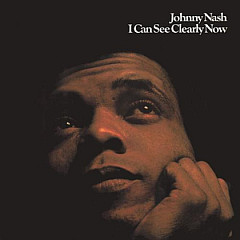
"I Can See Clearly Now" by Johnny Nash was the first reggae song to hit #1 in America on the Hot 100.

Iron Maiden, Adele, Toto, Eminem and Earth, Wind & Fire are just some of the artists with songs directly inspired by movies - and not always good ones.
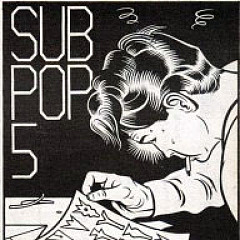
With $50 and a glue stick, Bruce Pavitt created Sub Pop, a fanzine-turned-label that gave the world Nirvana and grunge. He explains how motivated individuals can shift culture.

A drummer for one of the most successful metal bands of the last decade, Chris talks about what it's like writing and performing with Slipknot. Metal-neck is a factor.
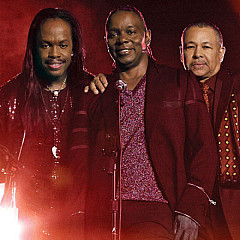
The longtime bassist of Earth, Wind & Fire discusses how his band came to do a holiday album, and offers insight into some of the greatest dance/soul tunes of all-time.
Do you know who wrote Patti Smith's biggest hit? How about the Grease theme song? See if you can match the song to the writer.
