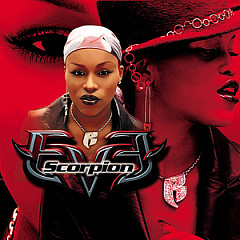
2001 was when collaborations between rappers and singers became commonplace, leading to a new Grammy category: Best Rap/Sung Collaboration. The first winner was "Let Me Blow Ya Mind" by Eve and Gwen Stefani. This was before Stefani put out her first solo album.
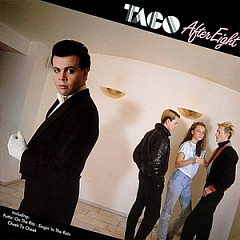
The original, 1930s version of "Puttin' On the Ritz" has lyrics about Lenox Avenue in Harlem, not Park Avenue.
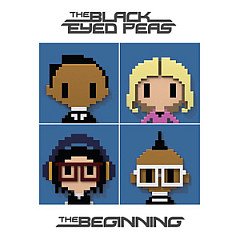
The Black Eyed Peas shot the video for "Just Can't Get Enough" in Japan just a week before a devastating earthquake hit the country.
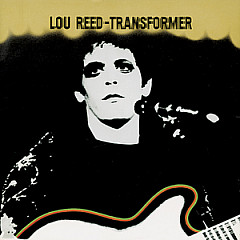
Lou Reed's "Walk On The Wild Side" tells the story of real people who were part of Andy Warhol's "factory," including Holly Woodlawn and Candy Darling.
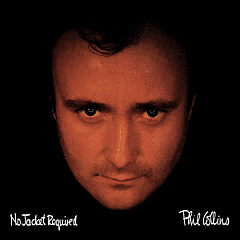
Phil Collins' "Take Me Home" is about a patient in a mental institution and was inspired by the novel One Flew Over the Cuckoo's Nest.

"Summertime" by DJ Jazzy Jeff & the Fresh Prince is built on a sample of a Kool & The Gang instrumental from 1974 called "Summer Madness," which gets a shout in the line, "This is the Fresh Prince's new definition of summer madness."
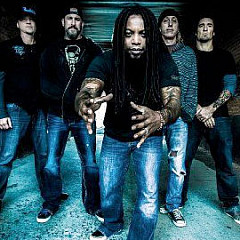
The Sevendust frontman talks about the group's songwriting process, and how trips to the Murder Bar helped forge their latest album.
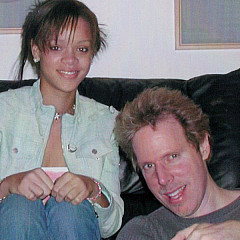
Hitmaker Carl Sturken on writing and producing for Rihanna, 'N Sync, Christina Aguilera, Kelly Clarkson, Donny Osmond, Shakira and Karyn White.
Lots of life lessons in these Eagles lyrics - can you match them to the correct song?
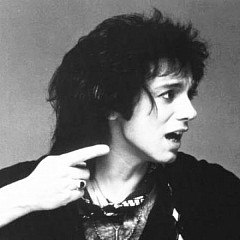
In her days with The Runaways, Joan Jett saw The Arrows perform "I Love Rock And Roll," which Alan Merrill co-wrote - that story and much more from this glam rock pioneer.

Surprise exits, a catfight and some very memorable performances make our list of the most memorable Idol moments.