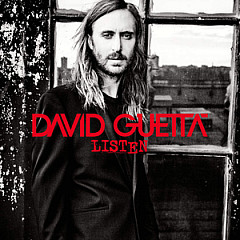
The bedrock of David Guetta's Nicki Minaj-featuring single "Hey Mama" is a sample of "Rosie," a 1940s prison recording from folk archivist Alan Lomax that songwriter Esther Dean first showed the French DJ on YouTube.
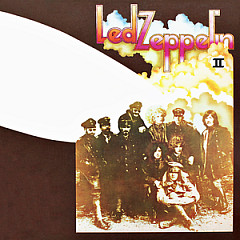
"Whole Lotta Love" was Led Zeppelin's only US Top 10 hit, charting at #4. Many of their songs, including "Stairway To Heaven," were not released as singles, as it was considered bad form in the UK to make fans pay for singles that were also on albums.
The French part in Talking Heads' "Psycho Killer" explains that the killer is going after a girl, like Norman Bates in the movie Psycho.
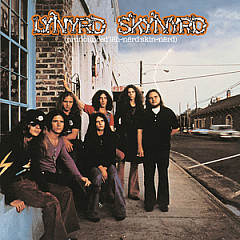
The opening lines to "Free Bird," "If I leave here tomorrow, would you still remember me?" came from the girlfriend of Lynyrd Skynyrd guitarist Allen Collins, who asked him that question during an argument.

Korn's most popular song, "Freak On A Leash," is about their predatory record label making huge profits off the band. It was quite profitable, helping the Follow The Leader album sell over 5 million copies.
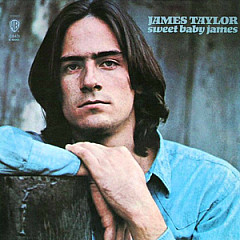
James Taylor wrote "Sweet Baby James" during a road trip to Virginia in honor of his brother’s new baby, also named James, whom he was about to meet for the first time.
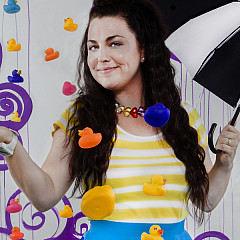
The Evanescence frontwoman on the songs that have shifted meaning and her foray into kids' music.
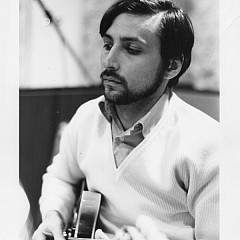
A top New York studio musician, Ralph played guitar on many '60s hits, including "Lightnin' Strikes," "A Lover's Concerto" and "I Am A Rock."
MTV, a popular TV theme song and Madonna all show up in this '80s music quiz.
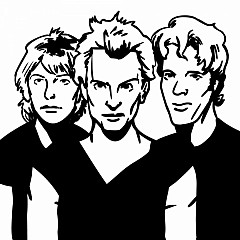
Do their first three albums have French titles? Is "De Do Do Do, De Da Da Da" really meaningless? See if you can tell in this Fact or Fiction.
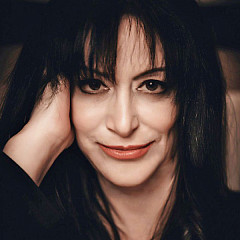
Holly Knight talks about some of the hit songs she wrote, including "The Warrior," "Never" and "The Best," and explains some songwriting philosophy, including how to think of a bridge.