
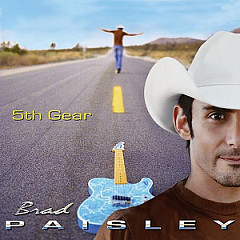
The video for Brad Paisley's "Online" is a mini-Seinfeld reunion, featuring Jason Alexander, Estelle Harris, and Patrick Warburton.
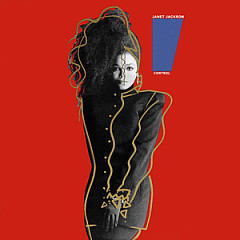
Janet Jackson wrote the lyric to "Nasty" in response to random guys calling her "baby."
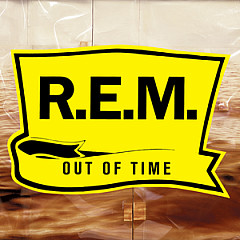
"Losing My Religion" by R.E.M. isn't about religion, but unrequited love. The title is based on a Southern expression meaning "at my wit's end."
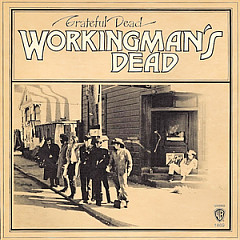
There's a lot of Americana in "Uncle John's Band" by the Grateful Dead, including references to "Buckdancer's Choice" (an Appalachian folk song) and "Fire And Ice," a Robert Frost poem.
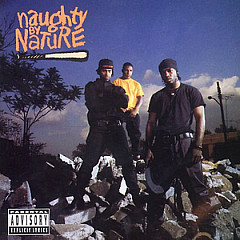
The Naughty by Nature hit "O.P.P." doesn't have any curse words, but many oversensitive radio stations played a "clean" version with the word "kitten" edited out, surely the first time that word was censured.
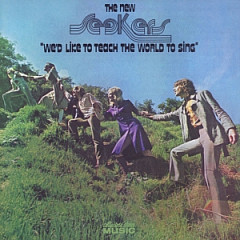
The first hit song that was used in a commercial before it was released as a single was "I'd Like To Teach The World To Sing," which was written for a Coke ad.
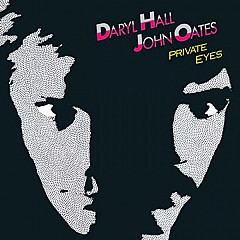
How a goofy detective movie, a disenchanted director and an unlikely songwriter led to one of the biggest hits in pop history.
Ozzy biting a dove? Alice Cooper causing mayhem with a chicken? Creed so bad they were sued? See if you can spot the real concert mishaps.

Despite her reticent personality, Adele's life and music are filled with intrigue. See if you can spot the true tales.
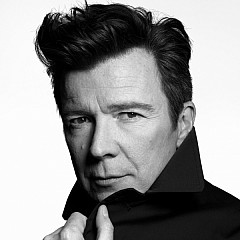
Rick Astley on "Never Gonna Give You Up," "Cry For Help," and his remarkable resurgence that gave him another #1 UK album.
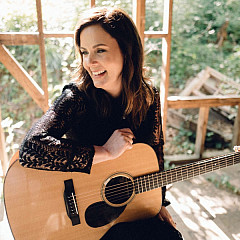
Lori's songs have been recorded by Faith Hill and Sara Evans. She's performed on the CMAs and on Oprah. She also has five kids.
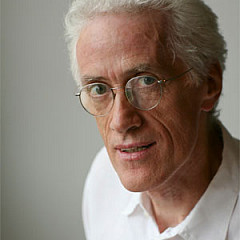
Producer Rupert Hine talks about crafting hits for Tina Turner, Howard Jones and The Fixx.