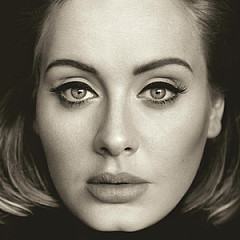
Adele's "Hello" was the first song to sell over a million downloads in a week. What's remarkable was that this was in 2015, when streaming was a viable option. Her fans were happy to pay for the song anyway.
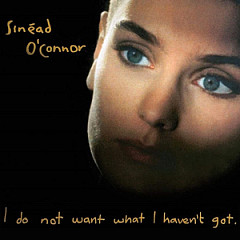
Two tears roll down Sinead O'Connor's face toward the end of the video for "Nothing Compares 2 U." They were shed because she associated the song's lyrics of love and loss with her mother, who was killed in a car accident in 1985.
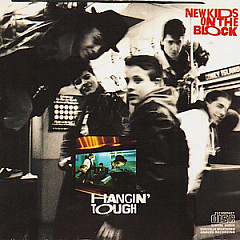
"Hangin' Tough" came at the peak of New Kids On The Block mania (1988). Their writer/producer Maurice Starr wrote it about the struggles the band faced early on. It was a #1 hit in both America and the UK.
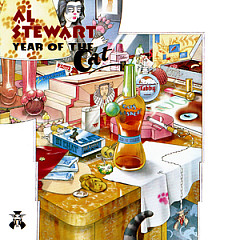
The title of Al Stewart's "Year Of The Cat" comes from Vietnamese astrology. The Year of the Cat comes every 12 Years: 1975, 1987, 1999, 2011, 2023...
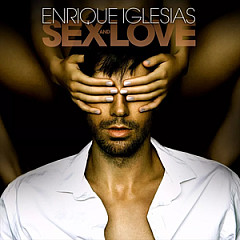
Enrique Iglesias' single "Bailando" was the first Spanish-language song to reach one billion views on YouTube.
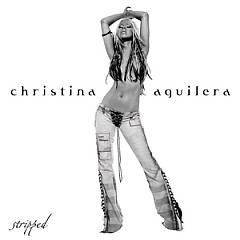
Christina Aguilera did her "Beautiful" vocal in one take; the opening line, "Don't look at me," is something she said to her friend in the studio who was there to offer support.
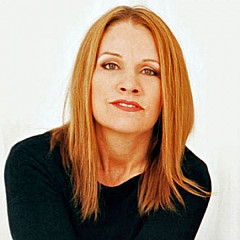
Charlotte was established in the LA punk scene when a freaky girl named Belinda approached her wearing a garbage bag.
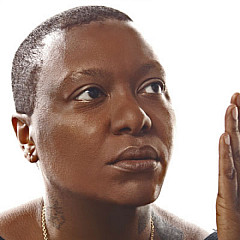
Meshell Ndegeocello talks about recording "Wild Night" with John Mellencamp, and explains why she shied away from the spotlight.
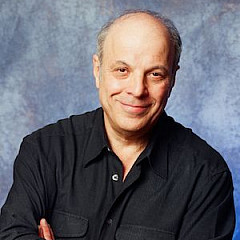
After studying in Paris with a famous composition teacher, Charles became the most successful writer of TV theme songs.
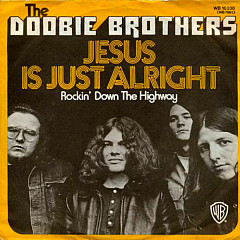
These overtly religious songs crossed over to the pop charts, despite resistance from fans, and in many cases, churches.
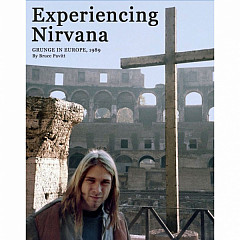
The man who ran Nirvana's first label gets beyond the sensationalism (drugs, Courtney) to discuss their musical and cultural triumphs in the years before Nevermind.