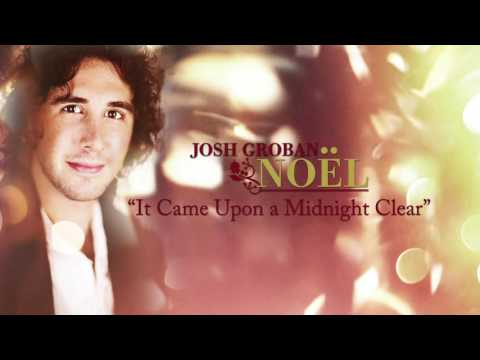
It Came Upon A Midnight Clear

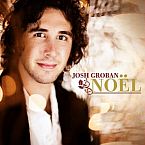
Album: Noel (1850)
Play Video

Songfacts®:

  • The words for this American carol are based on a poem written by a young Unitarian minister in Massachusetts, Reverend Edmund Hamilton Sears (1810-1876), reportedly at the request of his friend and fellow minister, W.P. Lunt. It was first presented at his 1849 Sunday School Christmas celebration and was originally published on December 29, 1849 in a church magazine, The Christian Register. The poem was not the first Christmas poetry by Sears; he had written other Nativity lyrics and several books on religious topics. In addition, he was the editor for the Boston-based Monthly Religious Magazine from 1859 to 1871.

    The following year, inspired by the poem, a friend of Sears, Richard Storrs Willis(1819-1900), adapted the words to a melody called "Carol," which he had written for the organ. Willis, who was an eminent editor and critic for The New York Tribune, had studied music in Europe as a young man with, among others, Felix Mendelssohn, the composer of the music for "Hark! The Herald Angels Sing." Mendelssohn so much admired Willis's work that he rearranged some of it for orchestra.
  • It could be claimed that this was the first Christmas song to be composed in the United States, and today it is considered a standard. In the mid 1850s the Americans were only beginning to celebrate the Christmas traditions of their English forebearers. The influence of works such as A Christmas Carol by Charles Dickens were beginning to enthuse the American nation. Within 20 years other classic carols celebrating Christmas such as "We Three Kings of Orient Are," "Jingle Bells," "I Heard the Bells on Christmas Day" and "O Little Town Of Bethlehem" had been written in the United States.
  • In 2006 Daryl Hall and John Oates reached #1 on the American Adult Contemporary chart with their version of this carol.
  • British audiences usually sing the carol to Sir Arthur Sullivan's 1874 tune, "Noel."

Comments: 5

  • Char from CtEdmund Sears, pastor of the Unitarian Church in Wayland, Massachusetts wrote the song in 1850, not Josh.
  • Danny Schwartz from Bronx, NySome versions of this song replace "Shall come the time foretold" with "Comes round the age of gold". That sounds more Hindu than Christian, a reference to the Satya Yuga or golden age that it is said will one day "come round" again as part of a grand repeating cycle. I have often wondered how that line got into the song.
  • Frederic from ViginiaThe title of the hymn is "It Came Upon The Midnight Clear". Often misnamed, often mis-sung.
  • Kevin from Salt Lake City, UtBob Rivers recorded a spoof "I Came Upon A Road-kill Deer".
  • Terry from Willmar, Mn"Still through the cloven..." What's cloven? Well, you've heard of cloven hoofs, as in the devil or deer, etc.? Cloven mean split. The skies split open and the angels came out.
see more comments

Editor's Picks

Five Rockers Who Rolled With The Devil

Five Rockers Who Rolled With The DevilSong Writing

Just how much did these monsters of rock dabble in the occult?

Trucking Songs That Were #1 Hits

Trucking Songs That Were #1 HitsSong Writing

The stories behind the biggest hit songs about trucking.

Kristian Bush of Sugarland

Kristian Bush of SugarlandSongwriter Interviews

Kristian talks songwriting technique, like how the chorus should redefine the story, and how to write a song backwards.

George Clinton

George ClintonSongwriter Interviews

When you free your mind, your ass may follow, but you have to make sure someone else doesn't program it while it's wide open.

Lita Ford

Lita FordSongwriter Interviews

Lita talks about how they wrote songs in The Runaways, and how she feels about her biggest hit being written by somebody else.

Deconstructing Doors Songs With The Author Of The Doors Examined

Deconstructing Doors Songs With The Author Of The Doors ExaminedSong Writing

Doors expert Jim Cherry, author of The Doors Examined, talks about some of their defining songs and exposes some Jim Morrison myths.