FEAR.

Album: DAMN. (2017)
Charted: 68 50
Play Video

Songfacts®:

  • This slow-burning track is a layered opus that features several revelations pertaining to Kendrick Lamar's personal life. The song is a portrait of an artist terrified of his mom, losing his life and failing in his career.
  • The song is split into three verses, which find the Compton MC learning to cope with fear at ages 7, 17 and 27. Before the first verse there is a recording of a call from Lamar's bible-fearing cousin Carl Duckworth who refers to the Old Testament book of Deuteronomy. This voicemail is only on the streaming version of the song.

    On his track, "Yah," Kendrick references this voicemail and says he's an Israelite. He explains that he identifies the suffering of Black Americans with the trials and tribulations of the Old Testament's Children of Israel.
  • The theme of suffering is continued with the bridge, which is voiced by Charles Edward Sydney Isom Jr. It is a cry to God asking why he is cursed. It ends with Lamar speaking in reverse bemoaning "the pain in my heart carrying the burden for the struggle."
  • The first verse finds Lamar recalling being a child in fear of his mother.

    I beat yo ass if you tell them social workers he live here
    I beat yo ass if I beat yo ass twice and you still here
    Seven years old, think you run this house by yourself?
    Nigga, you gon' fear me if you don't fear no one else


    Lamar's mom employed scare tactics to keep her son from getting in trouble around his neighborhood in Compton.
  • The second verse finds Lamar looking back at being a teenager afraid that his skin color will "prolly" cost him his life, as he imagines all the ways he might die.

    I'll prolly die anonymous
    I'll prolly die with promises
    I'll prolly die walkin' back home from the candy house
    I'll prolly die because these colors are standin' out


    Lamar's traumatic upbringing amidst Compton's gang warfare left him believing that dying at 17 is normal.
  • The third verse on "Fear." shows Lamar recounting his fear as a 27-year-old newfound star "losing it all."

    At 27, my biggest fear was losin' it all
    Scared to spend money, had me sleepin' from hall to hall
    Scared to go back to Section 8 with my mama stressin'
    30 shows a month and I still won't buy me no Lexus


    During a 2014 interview with Complex, Lamar talked about how despite carving a successful career in music, he was still in fear of going broke.

    "I've got this thing where I'm scared I'ma lose all my money…I be talking to a few of my partners that's doing they thing. A few of them don't feel the same way but it's like a real deal for me. I treat myself every now and then, but for the most part I be wanting to be smart about it. If my music were to stop today, how would I make this stretch for the rest of my life? My kid's lifetime? Hopefully my grandkids. If I stopped today, how would I do that?"
  • The slow-burning instrumental backing is supplied by The Alchemist, who co-produced Lamar's 2017 standalone single, "The Heart Part 4". The East Coast beatmaker samples for the track part of 24-Carat Black's "Poverty's Paradise" which has previously been borrowed from for cuts by Yo Gotti, Freeway, and RZA.
  • Speaking with journalist Touré for an October 2017 i-D Magazine interview, Kendrick Lamar said this song features what he believes is the greatest lyrical accomplishment of his career to date.

    "It's completely honest," he explained. "The first verse is everything that I feared from the time that I was seven years old. The second verse I was 17, in the third it's everything I feared when I was 27. These verses are completely honest."

Comments

Be the first to comment...

Editor's Picks

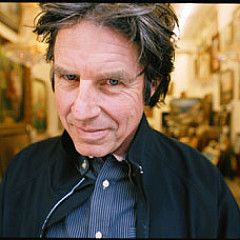
John Doe of X

John Doe of XSongwriter Interviews

With his X-wife Exene, John fronts the band X and writes their songs.

The 10 Bands Most Like Spinal Tap

The 10 Bands Most Like Spinal TapSong Writing

Based on criteria like girlfriend tension, stage mishaps and drummer turnover, these are the 10 bands most like Spinal Tap.
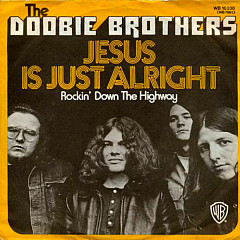
Jesus In Pop Hits: The Gospel Songs That Went Mainstream

Jesus In Pop Hits: The Gospel Songs That Went MainstreamSong Writing

These overtly religious songs crossed over to the pop charts, despite resistance from fans, and in many cases, churches.

Adam Young of Owl City

Adam Young of Owl CitySongwriter Interviews

Is Owl City on a quest for another hit like "Fireflies?" Adam answers that question and explains the influences behind many others.
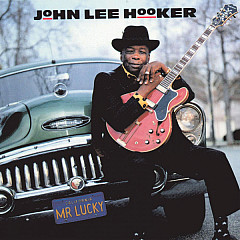
John Lee Hooker

John Lee HookerSongwriter Interviews

Into the vaults for Bruce Pollock's 1984 conversation with the esteemed bluesman. Hooker talks about transforming a Tony Bennett classic and why you don't have to be sad and lonely to write the blues.
The End Of The Rock Era

The End Of The Rock EraSong Writing

There are no more rock stars - the last one died in 1994.