Omerta

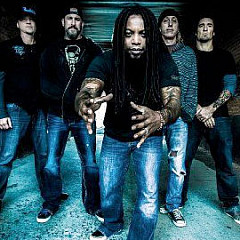
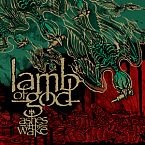
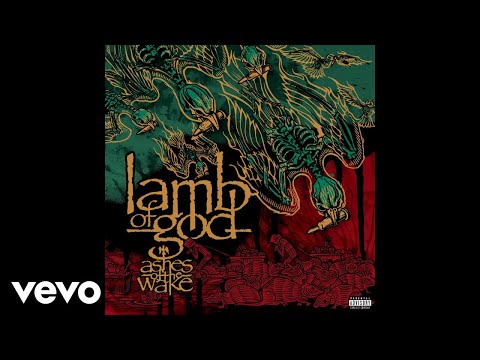
Album: Ashes of the Wake (2004)
Play Video

Songfacts®:

  • This song is based on the Mafia code of Omerta (literally "Manhood"), which is the "Code of Silence," meaning that if one is falsely accused of a crime or caught, they will not tell who actually did it: "A slip of the tongue, a slit of the throat" - if you squeal, you will die. >>>
    Suggestion credit:
    Theo - Boston, MA
  • The spoken section in the beginning ("Whoever appeals to the law against his fellow man is either a fool or a coward...") is an interpretation of the Omerta code.
  • The song uses the biblical story of Judas Iscariot's betrayal of Jesus to show the consequences of breaking "omerta":

    This is what has been wrought for 30 pieces of silver
    The tongues of men and angels bought by a beloved betrayer


    Judas was one of Jesus' 12 disciples. As told in the Gospels, he agrees to turn Jesus over to the authorities in exchange for 30 pieces of silver, which leads to his master's crucifixion. To make matters worse, he uses an act of loyalty to seal his act of betrayal. In Mark 14:43-45, Judas tells the priests how they can identify Jesus: "The one I will kiss is the man. Seize him and lead him away under guard."

    Judas, the "beloved betrayer," soon feels guilty and tries to return the money and claim Jesus's innocence. But it's too late. The elders refuse to take back the blood money or free Jesus, certain his growing popularity and radical views would be Israel's downfall. Judas throws the pieces of silver in the temple and goes off to hang himself (Matthew 27:3-10).
  • Your name is removed from the registry
    St. Peter greets with empty eyes then turns and locks the gate


    Judas wasn't the only disciple to turn his back on Jesus. Three separate times after Jesus' arrest, Peter denied ever knowing him. However, Peter repented and was forgiven, allowing him to keep the job Jesus promised him in Matthew 19:19: "I will give you the keys of the kingdom of heaven; and whatever you bind on earth shall have been bound in heaven, and whatever you loose on earth shall have been loosed in heaven." The registry is a record of names of those allowed into heaven.

Comments: 4

  • Lateralus720 from Rhode IslandI've never commented on this site before, but I recently was listening to this song and about how it fits within the context of Ashes of the Wake being an Iraq war protest album in 2004. It always felt out of place before but I took a lot of the lyrics to be a back and forth between a P.O.W. and an interrogator torturing them, especially the spoken word intro being from the viewpoint of the torture victim.
  • Jeff from Argo NunyaOmertà does not translate to manhood. Omertà means omission. Meaning you don't talk. You omit the the crimes you've done.
  • Brittany from Rainy River, CanadaThis song is about the Italian Mafia's code of honour, which is 'omerta' or 'manhood. It is described as a code of silence, explaining Randy Blythe's statement at the beginning of the song ("Whoever appeals to the law against his fellow man is either a fool or a coward. Whoever cannot take care of themself without that law is both. For a wounded man shall say to his assailant, "If I live, I will kill you. If I die, you are forgiven." Such is the rule of honour.") This is a really good song, and I love that quote...plus Lamb of God kick's metal ass.
  • Don from San Antonio, TxThis has nothing to do with anything but have you seen that MILLENNIUM xmas episode Omerta? BEST MUSIC EVER.
see more comments

Editor's Picks

Amanda Palmer

Amanda PalmerSongwriter Interviews

Call us crazy, but we like it when an artist comes around who doesn't mesh with the status quo.

Harold Brown of War

Harold Brown of WarSongwriter Interviews

A founding member of the band War, Harold gives a first-person account of one of the most important periods in music history.

Metallica

MetallicaFact or Fiction

Beef with Bon Jovi? An unfortunate Spandex period? See if you can spot the true stories in this Metallica version of Fact or Fiction.

Shawn Mullins

Shawn MullinsSongwriter Interviews

"Lullaby" singer Shawn Mullins on "Beautiful Wreck," beating the Devil, and his writing credit on the Zac Brown Band song "Toes."

The End Of The Rock Era

The End Of The Rock EraSong Writing

There are no more rock stars - the last one died in 1994.

David Sancious

David SanciousSongwriter Interviews

Keyboard great David Sancious talks about his work with Sting, Seal, Springsteen, Clapton and Aretha, and explains what quantum physics has to do with making music.