

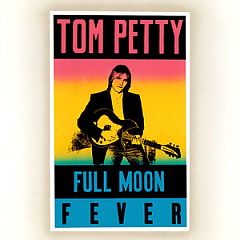
"I Won't Back Down" is a very personal song for Tom Petty. "I thought it wasn't that good because it was so naked," he said.
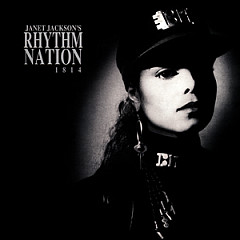
Janet Jackson's "Alright" video features Cab Calloway and Cyd Charisse, stars of musicals she loved as a kid.
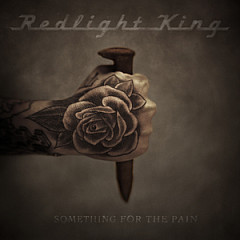
Neil Young rarely allows his songs to be sampled, but he let the Canadian group Redlight King use "Old Man" in their 2011 song, also called "Old Man."

"Wanted Dead Or Alive" by Bon Jovi got the Unplugged craze going when Jon Bon Jovi and Richie Sambora performed it with just their acoustic guitars at the 1989 MTV Video Music Awards.
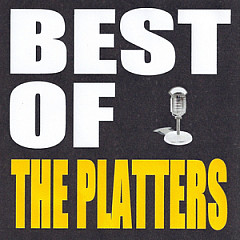
The Pretenders are named after the 1956 song "The Great Pretender" by The Platters.
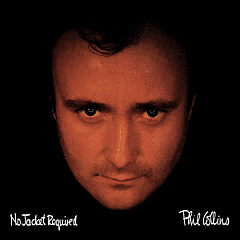
Phil Collins' "Take Me Home" is about a patient in a mental institution and was inspired by the novel One Flew Over the Cuckoo's Nest.
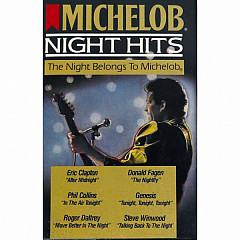
Michelob commercials generated hits for Eric Clapton, Genesis and Steve Winwood in the '80s, even as some of these rockers were fighting alcoholism.
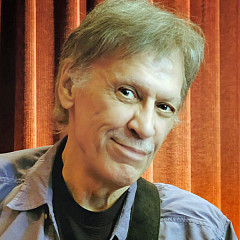
Steppenwolf frontman John Kay talks about "Magic Carpet Ride," "Born To Be Wild," and what he values more than awards and accolades.
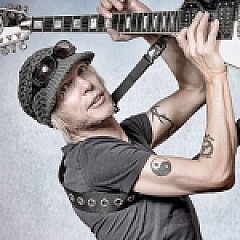
The Scorpions and UFO guitarist is also a very prolific songwriter - he explains how he writes with his various groups, and why he was so keen to get out of Germany and into England.
Where words like "email," "thirsty," "Twitter" and "gangsta" first showed up in songs, and which songs popularized them.
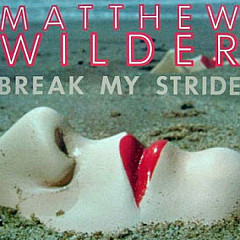
Wilder's hit "Break My Stride" had an unlikely inspiration: a famous record mogul who rejected it.

The hitmaking songwriter/producer Sam Hollander with stories about songs for Weezer, Panic! At The Disco, Train, Pentatonix, and Fitz And The Tantrums.