
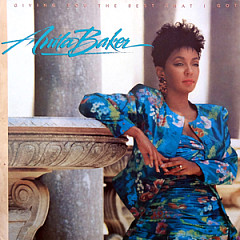
Before the game when he hit a famous shot to win a playoff series against the Cleveland Cavaliers, Michael Jordan was listening to Anita Baker's "Giving You The Best That I Got."
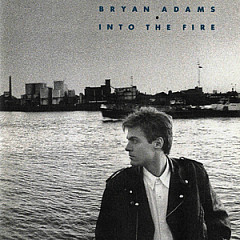
Bryan Adams' 1987 song "Heat Of The Night" has the distinction of being the first commercially released cassette single in the US.
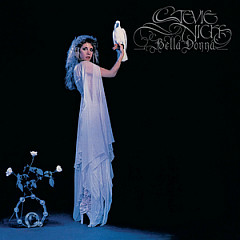
The death of John Lennon was an influence on the Stevie Nicks hit "Edge Of Seventeen." He's the one with the "words of a poet and voice from a choir."
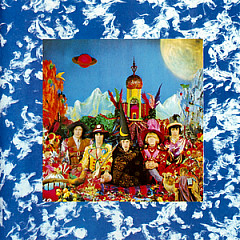
It was never a big hit, but "She's A Rainbow" became one of the most popular Rolling Stones songs in the digital age when it started showing up in commercials (iMac, Photoshop), and TV shows (American Horror Story: Coven, Ted Lasso).
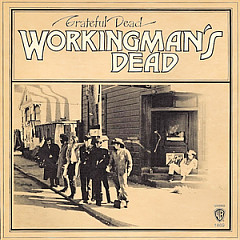
There's a lot of Americana in "Uncle John's Band" by the Grateful Dead, including references to "Buckdancer's Choice" (an Appalachian folk song) and "Fire And Ice," a Robert Frost poem.
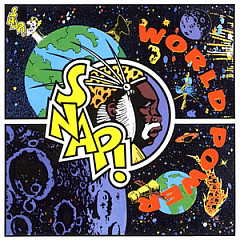
Snap! were two German producers. When they needed a rapper, they found one on the American army base there and had him rap on "The Power."
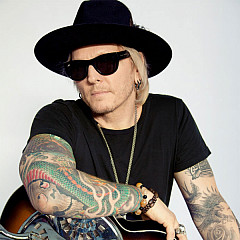
When he joined Guns N' Roses in 1990, Matt helped them craft an orchestral sound; his mezzo fortes and pianissimos are all over "November Rain."
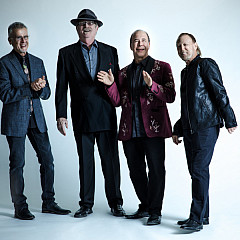
Emilio talks about what it's like to write and perform with the Tower of Power horns, and why every struggling band should have a friend like Huey Lewis.
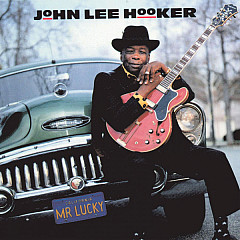
Into the vaults for Bruce Pollock's 1984 conversation with the esteemed bluesman. Hooker talks about transforming a Tony Bennett classic and why you don't have to be sad and lonely to write the blues.
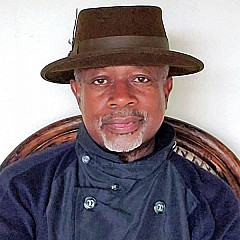
Keyboard great David Sancious talks about his work with Sting, Seal, Springsteen, Clapton and Aretha, and explains what quantum physics has to do with making music.
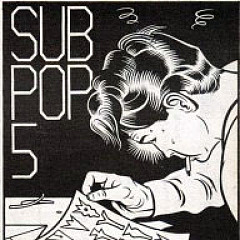
With $50 and a glue stick, Bruce Pavitt created Sub Pop, a fanzine-turned-label that gave the world Nirvana and grunge. He explains how motivated individuals can shift culture.
Some songs get a second life when they find a new audience through a movie, commercial, TV show, or even the Internet.