
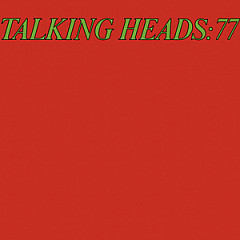
The French part in Talking Heads' "Psycho Killer" explains that the killer is going after a girl, like Norman Bates in the movie Psycho.
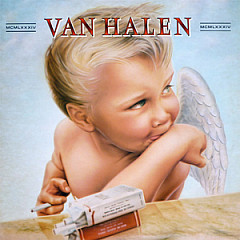
The voice of Waldo in Van Halen's "Hot For Teacher" video was the late Phil Hartman of Saturday Night Live Fame.
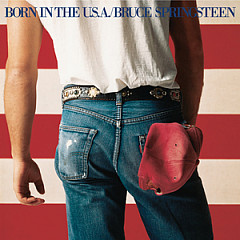
Alfonso Ribeiro's "Carlton Dance" was inspired by Bruce Springsteen and Courteney Cox' dance moves in the "Dancing In The Dark" video.

Neil Young rarely allows his songs to be sampled, but he let the Canadian group Redlight King use "Old Man" in their 2011 song, also called "Old Man."
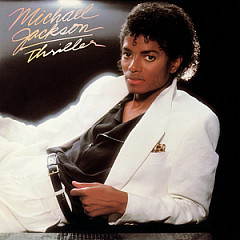
Eddie Van Halen played the guitar solo on "Beat It" as a favor to Quincy Jones, who produced the album.
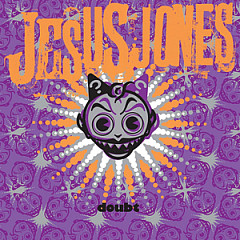
The Jesus Jones song "Right Here, Right Now" was conceived as an optimistic version of Prince's "Sign O' The Times."
One of rock's top photographers talks about artistry in photography, raising funds for a documentary, and enjoying a County Fair with Tom Waits.

We've heard of artists putting their hearts into their music, but some take it literally.
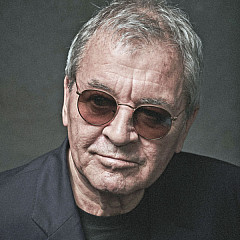
Deep Purple frontman Ian Gillan explains the "few red lights" in "Smoke On The Water" and talks about songs from their 2020 album Whoosh!

Don breaks down "Hotel California" and other songs he wrote as a member of the Eagles. Now we know where the "warm smell of colitas" came from.

The Christian rapper talks about where his trip to Haiti and his history of addiction fit into his songs.

Based on criteria like girlfriend tension, stage mishaps and drummer turnover, these are the 10 bands most like Spinal Tap.