Hiding In Plain Sight

Album: Critical Thinking (2024)
Play Video

Songfacts®:

  • "Hiding In Plain Sight" pairs midlife wistfulness with an uplifting melody. The track wears its influences proudly, nodding to the shimmering '70s rock 'n' roll of The Only Ones and Cockney Rebel, and Dinosaur Jr.'s 1988 track "Freak Scene." But it's not just a nostalgia trip; it's a thoughtful exploration of self-reflection, the passage of time, and a yearning for lost freedoms.
  • The song took inspiration from a line by the poet Anne Sexton: "I am a collection of dismantled almost." The quote is found in Anne Sexton: A Self-Portrait in Letters, a collection of her correspondence and personal musings.
  • "Hiding in Plain Sight" was recorded at the Manic's own Door To The River Studio and the iconic Rockfield Studios in Monmouth. Longtime collaborators Dave Eringa and Loz Williams joined the band in production duties, with Caesar Edmunds handling the mix.
  • Bassist and lyricist Nicky Wire takes the lead vocal role rather than frontman James Dean Bradfield. Wire has occasionally taken the vocal reins before - on tracks like "Your Love Alone Is Not Enough" and "William's Last Words."
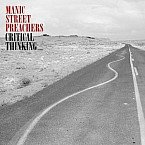
  • "Hiding in Plain Sight" is the lead single from the Manics' 15th album, Critical Thinking, which the band describes as a collision of opposites. "The music has an effervescence and an elegiac uplift," Wire explains, "but the lyrics delve into the cold analysis of the self."
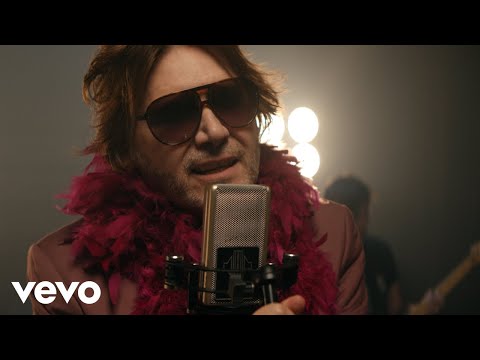
  • The accompanying music video, directed by longtime collaborator Kieran Evans, serves as both a reflective journey and a celebration. Wire sifts through photos and costumes from the band's storied history, creating a visual scrapbook of their legacy while interspersing energetic performance footage.
  • Anne Sexton was a prominent American poet of the mid-20th century known for her deeply personal verse. She is considered a pioneer of confessional poetry, alongside contemporaries like Sylvia Plath and Robert Lowell. Throughout her life, Sexton battled mental illness, particularly bipolar disorder, which often informed her poetry. Like Plath, Sexton died by suicide. She was 45 when she ended her life on October 4, 1974.

    Peter Gabriel's "Mercy Street" from his 1986 album So is perhaps the most well-known song inspired by Anne Sexton. The song draws inspiration from her play Mercy Street and her poem "45 Mercy Street." Gabriel was moved by the poet's confessional style and personal struggles, incorporating themes and imagery from her work into his lyrics.
  • Nicky Wire bares his soul on "Hiding in Plain Sight," singing, "I wanna be in love with the man I used to be."

    "He wants to be a better person," James Dean Bradfield told Mojo magazine. "Which is mad because he's lived his life in an impeccable way. I think Nick writes to understand what he's feeling but I don't know if he does it too soothe himself."

Comments

Be the first to comment...

Editor's Picks

Terry Jacks ("Seasons in the Sun")

Terry Jacks ("Seasons in the Sun")Songwriter Interviews

Inspired by his dear friend, "Seasons in the Sun" paid for Terry's boat, which led him away from music and into a battle with Canadian paper mills.
Ian Anderson of Jethro Tull

Ian Anderson of Jethro TullSongwriter Interviews

The flautist frontman talks about touring with Led Zeppelin, his contribution to "Hotel California", and how he may have done the first MTV Unplugged.
Band Names

Band NamesFact or Fiction

Was "Pearl" Eddie Vedder's grandmother, and did she really make a hallucinogenic jam? Did Journey have a contest to name the group? And what does KISS stand for anyway?
Album Cover Inspirations

Album Cover InspirationsSong Writing

Some album art was at least "inspired" by others. A look at some very similar covers.
Motley Crue

Motley CrueFact or Fiction

Was Dr. Feelgood a dentist? Did the "Crüecifixion" really happen?

Barney Hoskyns Explores The Forgotten History Of Woodstock, New York

Barney Hoskyns Explores The Forgotten History Of Woodstock, New YorkSong Writing

Our chat with Barney Hoskyns, who covers the wild years of Woodstock - the town, not the festival - in his book Small Town Talk.