
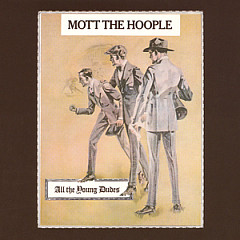
All The Young Dudes "carry the news" in the Mott The Hoople song because it was intended for a David Bowie concept album where Ziggy Stardust spreads the news through songs in a world with no electricity.
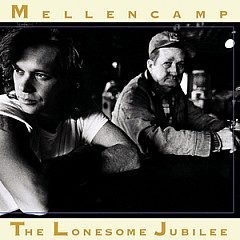
The line in John Mellencamp's "Cherry Bomb" that sounds like "that's when a smoke was a smoke" is actually "that's when a sport was a sport," according to the published lyric. In that sense, "sport" is an endearment for someone of good nature.
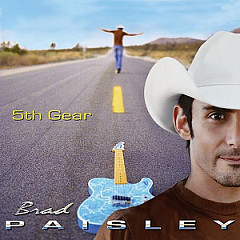
The video for Brad Paisley's "Online" is a mini-Seinfeld reunion, featuring Jason Alexander, Estelle Harris, and Patrick Warburton.
"Breakin'... There's No Stopping Us," the title song to the movie Breakin', was a hit and helped breakdancing go mainstream when it was released in 1984. The song has scratches and other hip-hop flourishes, but no rapping, which would have kept it off many playlists.
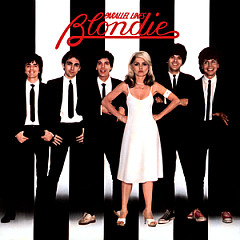
"Heart of Glass" was Blondie's first foray into disco, which turned off some fans. Debbie Harry said they did it because they "wanted to be uncool."

"The Candy Man" is the opening song in the 1971 movie Willie Wonka And The Chocolate Factory, but the version released as a single was by Rat Pack member Sammy Davis Jr. It was a #1 hit and became his signature song even though his audience was very adult.
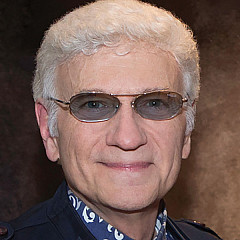
Dennis DeYoung explains why "Mr. Roboto" is the defining Styx song, and what the "gathering of angels" represents in "Come Sail Away."

Director Mark Pellington on Pearl Jam's "Jeremy," and music videos he made for U2, Jon Bon Jovi and Imagine Dragons.

Fiona's highly-anticipated third album almost didn't make it. Here's how it finally came together after two years and a leak.
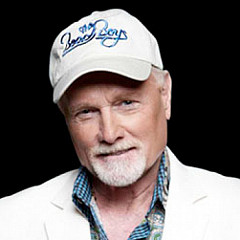
The lead singer/lyricist of The Beach Boys talks about coming up with the words for "Good Vibrations," "Fun, Fun, Fun," "Kokomo" and other classic songs.
A band so baffling, even their names were contrived. Check your score in the Ramones version of Fact or Fiction.
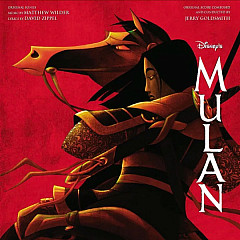
From "Some Day My Prince Will Come" to "Let It Go" - how Disney princess songs (and the women who sing them) have evolved.