
When "When I Think of You" hit #1, Janet and Michael Jackson became the first siblings with chart topping solo hits in the United States.
The title of Al Stewart's "Year Of The Cat" comes from Vietnamese astrology. The Year of the Cat comes every 12 Years: 1975, 1987, 1999, 2011, 2023...

Rihanna claims that "S&M" is about her love/hate relationship with the media. Apparently her paparazzi are using whips and chains.
"Stay" by Lisa Loeb was the first #1 hit by an unsigned artist. It got a boost from Ethan Hawke, who got it into a movie he starred in called Reality Bites.
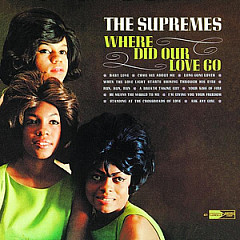
When "Baby Love" reached the top spot, The Supremes became the first Motown act with two #1 hits on the Hot 100.
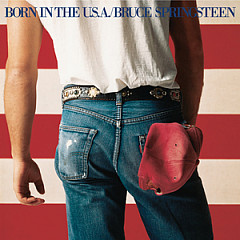
Before she was famous on Friends, Courteney Cox danced on stage with Bruce Springsteen in his "Dancing In The Dark" video.
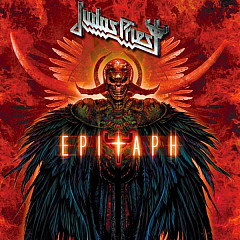
The 10 biggest "retirement tours" that didn't take.
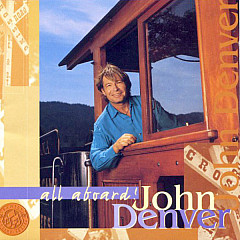
With the rise of Kindie rock, more musicians are embracing their inner child with tunes for tots - here, we look at pop stars who recorded kids' albums.
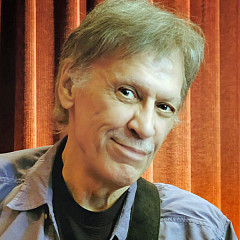
Steppenwolf frontman John Kay talks about "Magic Carpet Ride," "Born To Be Wild," and what he values more than awards and accolades.

Ian talks about his 3 or 4 blatant attempts to write a pop song, and also the ones he most connected with, including "Locomotive Breath."
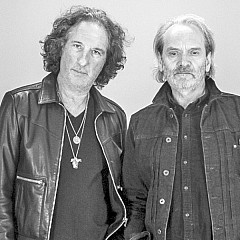
'80s music ambassadors Wang Chung pick their top tracks of the decade, explaining what makes each one so special.
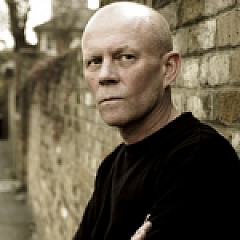
An original member of Depeche Mode, Vince went on to form Erasure and Yaz.