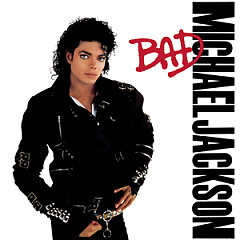


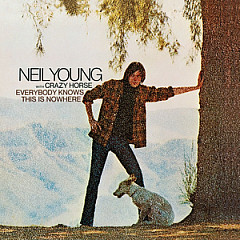
Neil Young was married when he wrote "Cinnamon Girl," which clearly was not about his wife. He had a hard time explaining it to her.
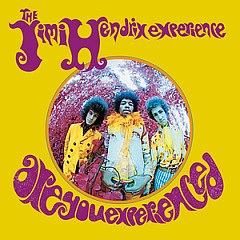
Thirty years after Jimi Hendrix played "Fire" at Woodstock, Red Hot Chili Peppers played it at Woodstock '99, but this time the unruly crowd actually set fires and looted.
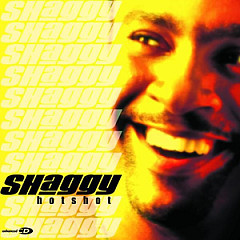
"It Wasn't Me" by Shaggy was based on an Eddie Murphy comedy bit where he would deny everything no matter how badly he was caught.
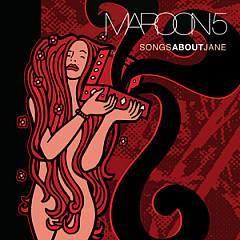
Adam Levine of Maroon 5 made it obvious who their song "This Love" was about when he named the album "Songs About Jane."
"The Night Chicago Died" was written and recorded by the British group Paper Lace. They talk about Al Capone in the song, but got a lot of details wrong - understandable since they wrote it based on gangster movies.
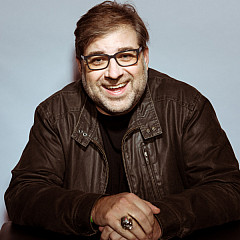
A top country songwriter, Barry talks about writing hits for Little Big Town, Tim McGraw and Jason Aldean.
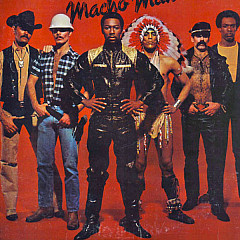
Just like Darrin was replaced on Bewitched, groups have swapped out original members, hoping we wouldn't notice.
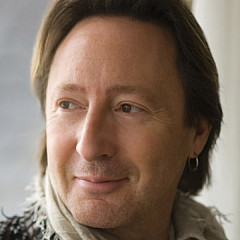
Julian tells the stories behind his hits "Valotte" and "Too Late for Goodbyes," and fills us in on his many non-musical pursuits. Also: what MTV meant to his career.
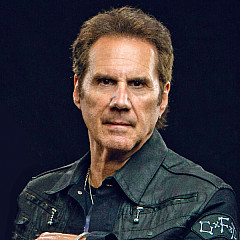
Kelly Keagy of Night Ranger tells the "Sister Christian" story and explains why he started sweating when he saw it in Boogie Nights.
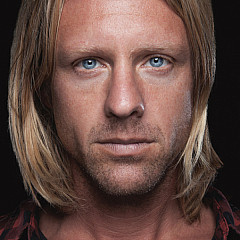
Switchfoot's frontman and main songwriter on what inspires the songs and how he got the freedom to say exactly what he means.
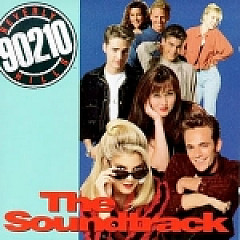
Shows like Dawson's Creek, Grey's Anatomy and Buffy the Vampire Slayer changed the way songs were heard on TV, and produced some hits in the process.