


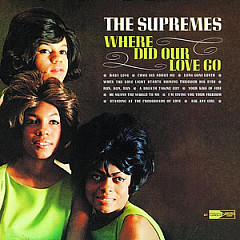
The Motown team of Holland-Dozier-Holland wrote "Where Did Our Love Go" with The Marvelettes in mind, but they turned it down. When The Supremes recorded the tune, Diana Ross was forced to sing in a lower, breathier style than she was used to because it wasn't written for her.
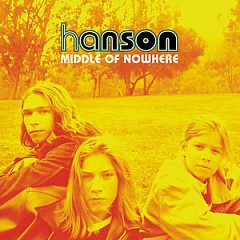
Hanson's megahit "MMMbop," released when they were teenagers, is surprisingly profound. Zac Hanson told Songfacts it "represents a frame of time or the futility of life."
"Louie Louie" was first recorded in 1955 by an R&B singer named Richard Berry, and his lyrics are easy to understand. When The Kingsmen recorded the hit version, their lyrics were indecipherable.
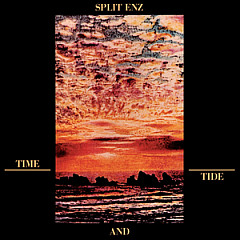
The Split Enz song "Six Months In A Leaky Boat" is about the journey explorers made from Europe to colonize Australia and New Zealand, where the band is from.

"Hips Don't Lie" is Shakira's in-studio mantra for her crew: If her hips are moving, the song is working. If not, best to try something else.
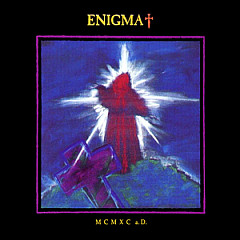
The song "Sadeness" by Enigma (the one with the chanting monks), got its name from the French novelist Marquis de Sade, who believed sex had to be painful in order to be pleasurable - thus the word "sadism."
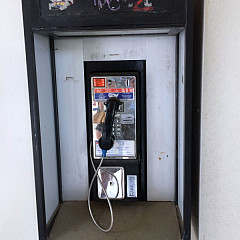
Phone booths are nearly extinct, but they provided storylines for some of the most profound songs of the pre-cell phone era.
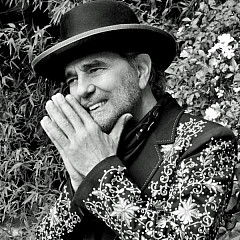
Daniel Lanois on his album Heavy Sun, and the inside stories of songs he produced for U2, Peter Gabriel, and Bob Dylan.
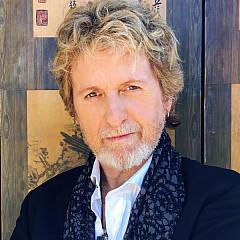
Jon Anderson breaks down the Yes classic "Seen All Good People" and talks about his 1000 Hands album, which features Chick Corea, Rick Derringer, Ian Anderson, and many other luminaries.

Have you got the smarts to know which of these graduation song stories are real?
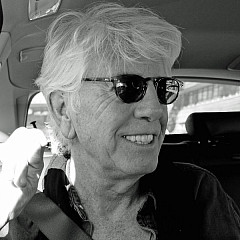
Graham Nash tells the stories behind some of his famous songs and photos, and is asked about "yacht rock" for the first time.
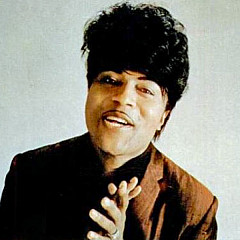
Was Long Tall Sally a cross-dresser? Did he really set his piano on fire? See if you know the real stories about one of rock's greatest innovators.