
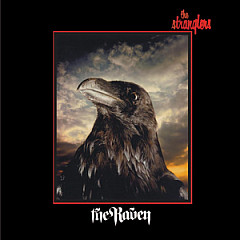
"Nuclear Device (The Wizard of Aus)" by The Stranglers was written about the then Premier of Queensland, Joh Bjelke-Petersen. His political shenanigans were observed by the band during their first tour of Australia.
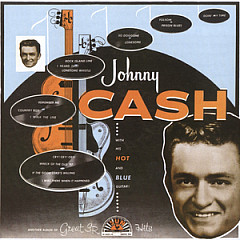
In "I Walk The Line," Johnny Cash hums before each verse. He did this to get his pitch, as the song changes key several times.
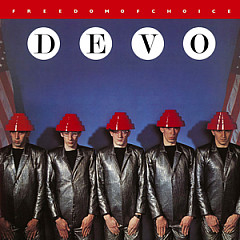
The Devo song "Freedom Of Choice" is about mindless consumerism - how people like to make frivolous choices, but otherwise want to be told what to do.
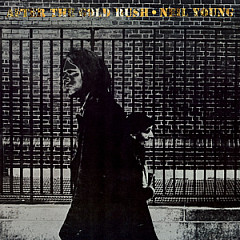
Neil Young later apologized for "Southern Man," calling it "accusatory and condescending" in its portrayal of the American South.
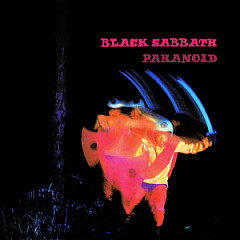
"Paranoid" reflects a feeling Black Sabbath bass player Geezer Butler often felt after using drugs.
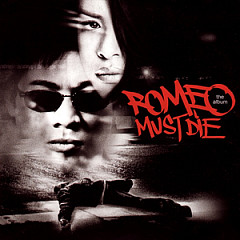
Until December 5, 1998, a song had to be issued as a single to make the Hot 100. Aaliyah's "Try Again" was the first tune to top the chart based on airplay alone, without any sales figures being included.
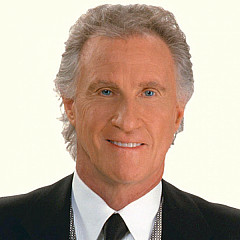
Medley looks back on "Unchained Melody" and "You've Lost That Lovin' Feelin'" - his huge hits from the '60s that were later revived in movies.
Many unusual folks appear in Grateful Dead songs. Can you identify them?
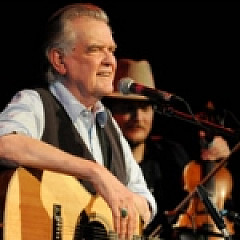
Vince Gill, Emmylou Harris and Lyle Lovett are just a few of the artists who have looked to Clark for insightful, intelligent songs.

The "Midnight At The Oasis" singer is an Old Time gal. She talks about her jug band beginnings and shares a Dylan story.

Elvis, Little Richard and Cheryl Cole have all sung about Teddy Bears, but there is also a terrifying Teddy song from 1932 and a touching trucker Teddy tune from 1976.
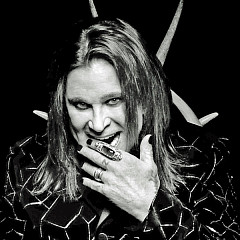
Rock Stars - especially those in the metal realm - are often enlisted for horror movies. See if you know can match the rocker to the role.