
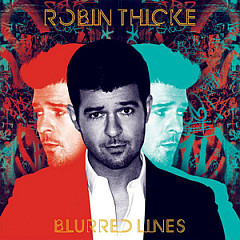
Robin Thicke had a #1 hit with "Blurred Lines" in 2013, but he wasn't the first in his family with a hit song. His mom, Gloria Loring, was a singer who had a hit in 1986 with "Friends And Lovers," a duet with Carl Anderson.
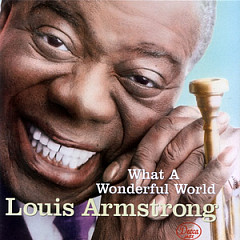
"What A Wonderful World," released in 1967 four years before Louis Armstrong died, didn't find an audience in America until 1988 when it was used in the movie Good Morning, Vietnam.
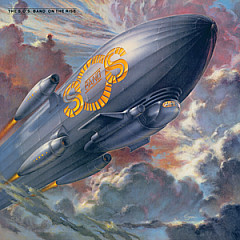
"Just Be Good To Me" by The S.O.S. Band was the first hit written and produced by Jimmy Jam and Terry Lewis, who worked on Janet Jackson's Control album a few years later. They were members of The Time, a group created by Prince.

Neil Young's song "Old Man" was inspired by the caretaker of the ranch he bought in 1970. Neil was the young man at the time, just 25.
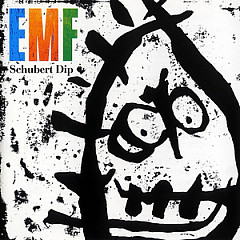
The EMF song "Unbelievable" samples the raunchy comic Andrew Dice Clay saying, "What the f--k was that!"
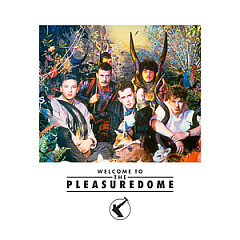
The Frankie Goes To Hollywood hit "Relax" is, as the band says, about "shagging." It was banned by the BBC, which sent it to #1 in the UK as listeners flocked to record stores to buy it.
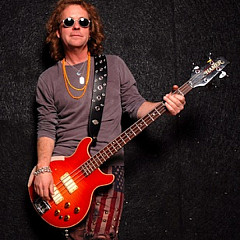
Revisit the awesome glory of Night Ranger and Damn Yankees: cheesily-acted videos, catchy guitar licks, long hair, and lyrics that are just plain relatable.
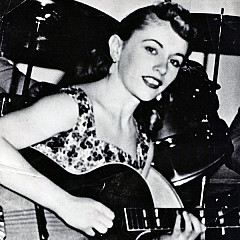
A top session musician, Carol played on hundreds of hits by The Beach Boys, The Monkees, Frank Sinatra and many others.
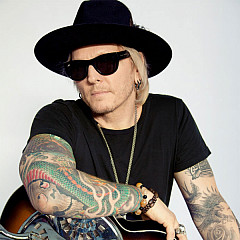
When he joined Guns N' Roses in 1990, Matt helped them craft an orchestral sound; his mezzo fortes and pianissimos are all over "November Rain."
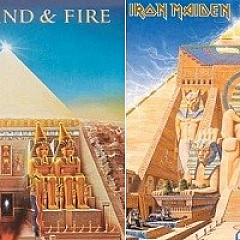
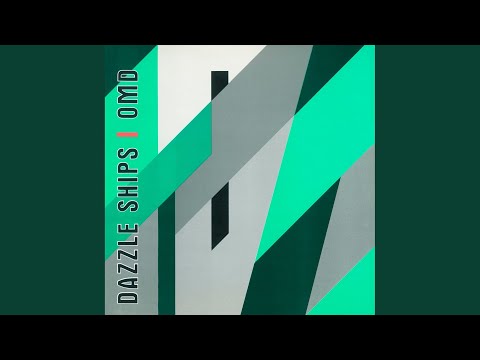
Some album art was at least "inspired" by others. A look at some very similar covers.
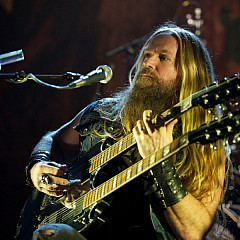
When he was playing Ozzfest with Black Label Society, a kid told Zakk he was the best Ozzy guitarist - Zakk had to correct him.
The story of the legendary lupine DJ through the songs he inspired.