That Day Is Done

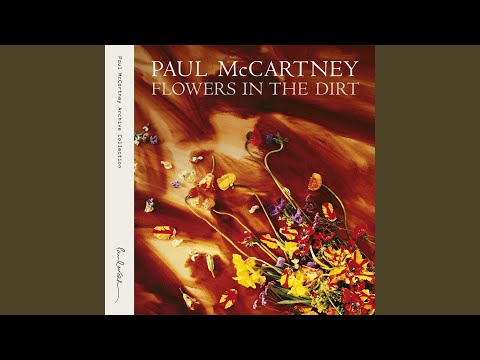
Album: Flowers In The Dirt (1989)
Play Video

Songfacts®:

  • McCartney co-wrote this song with Elvis Costello, who recalled to Mojo magazine August 2011: "I had a fair opening statement and all these images. It was from a real thing, my grandmother's funeral. It was sort of serious. He (McCartney) said, 'Yes, that's all good, all those images.' But quite often when you're writing a song about something personal, what it means to you can sometimes get in the way of what it can mean to somebody else. It needed a release. He said, 'It needs something like this…' and he just sat down and played the chorus. It was sort of like 'Let It Be,' the creation of a semi-secular gospel song. It was quite shocking when he did that bit. Then when you realise that's what he does. Then he sung the hell out of it. That's him, really."
  • Nicky Hopkins played the piano. Hopkins, a prolific session performer on cuts from The Who and the Rolling Stones, was one of the Beatles' go-to keyboardists.
  • This was used in McCartney's 1984 movie, Give My Regards to Broad Street.
  • In his 2015 autobiography Unfaithful Music & Disappearing Ink, Costello admitted the nature of the song made him "almost too possessive," causing tension during the recording sessions. He recalled: "I was hearing a sound in my head that was very close to the one I later sought for 'Deep Dark Truthful Mirror' - a piano-playing gospel changes and the mournful brass sound that I would soon find in the Dirty Dozen Brass Band - so it was pretty shocking to me when Paul began citing some strange, synthetic sound from a recent Human League record that he wanted to incorporate into the recording. I just had to leave the studio for a while and walk around in the country air before I said something I might regret."

    When Costello got back to the studio, he was moved by McCartney's vocal on another tune, "Don't Be Careless Love," and found he wasn't angry anymore. "It might have been in that moment that I accepted we would not make this record together with the same ease and pleasure with which we'd written our songs." When the album was finally completed, Costello was relieved there was "no trace of the chilly synthesizer" on the track.
  • Costello brought the song with him on his final tour with the Confederates in 1987 and used it for the finale of most of the shows. His fears were realized two days before the opener when he got the news his grandmother died. He nearly dropped everything to fly home until his father insisted he go on with the tour rather than attend the funeral. "He said my place was on the stage. I had a show to play. That's the job we do. Not for the first time in my life, what I’d predicted in a song had come to pass."
  • The album title was taken from the song's final verse:

    She sprinkles flowers in the dirt
    That's when a thrill becomes a hurt
    I know I'll never see her face
    She walks away from my resting place

Comments

Be the first to comment...

Editor's Picks

Philip Cody

Philip CodySongwriter Interviews

A talented lyricist, Philip helped revive Neil Sedaka's career with the words to "Laughter In The Rain" and "Bad Blood."

Mick Jones of Foreigner

Mick Jones of ForeignerSongwriter Interviews

Foreigner's songwriter/guitarist tells the stories behind the songs "Juke Box Hero," "I Want To Know What Love Is," and many more.

TV Theme Songs

TV Theme SongsFact or Fiction

Was a Beatles song a TV theme? And who came up with those Fresh Prince and Sopranos songs?

Trucking Songs That Were #1 Hits

Trucking Songs That Were #1 HitsSong Writing

The stories behind the biggest hit songs about trucking.

Dave Mason

Dave MasonSongwriter Interviews

Dave reveals the inspiration for "Feelin' Alright" and explains how the first song he ever wrote became the biggest hit for his band Traffic.

Bryan Adams

Bryan AdamsSongwriter Interviews

What's the deal with "Summer of '69"? Bryan explains what the song is really about, and shares more of his songwriting insights.