
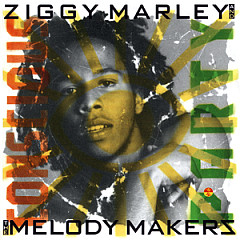
"Tomorrow People" by Ziggy Marley is the first song by a Marley to crack the US Top 40; the highest Bob got was #51 with "Roots, Rock, Reggae."
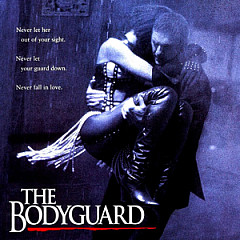
Dolly Parton is just fine with Whitney Houston's cover of "I Will Always Love You." Said Parton: "She can have the credit. I just want my cash."
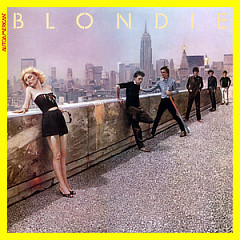
The first #1 hit with a rap was "Rapture" by Blondie in 1980. Debbie Harry's rhymes left lots of room for improvement.
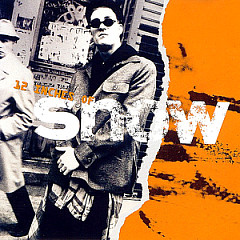
The video for "Informer" by Snow that ran on MTV was subtitled so viewers could understand what he was saying.
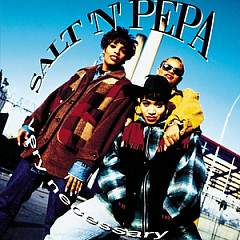
Salt's "mighty good man" in the Salt-N-Pepa "Whatta Man" video is played by Tupac Shakur.
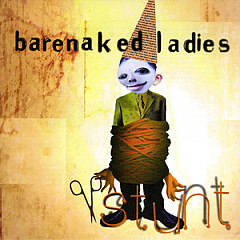
"One Week" by Barenaked Ladies was a #1 hit in America - for exactly one week in 1998.
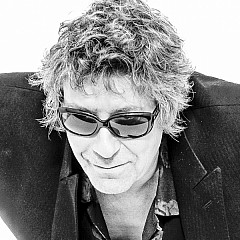
Psychedelic Furs lead singer Richard Butler talks about their first album since 1991 and explains what's really going on in "Pretty In Pink."
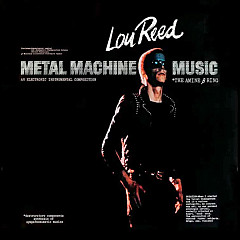
A selection of songs made to be terrible - some clearly achieved that goal.
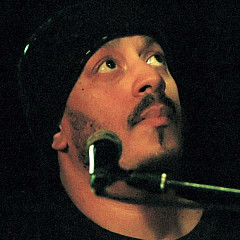
You may not recognize his name, but you will certainly recognize Peter Lord's songs. He wrote the bevy of hits from Paula Abdul's second album, Spellbound.
Test your metal - Priest, Maiden, and Beavis and Butt-head show up in this one.

The Christian rapper talks about where his trip to Haiti and his history of addiction fit into his songs.
The "All I Want" singer went through a long depression, playing some shows when he didn't want to be alive.