

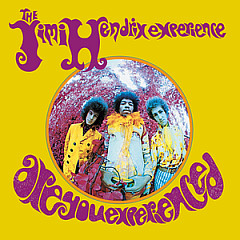
Thirty years after Jimi Hendrix played "Fire" at Woodstock, Red Hot Chili Peppers played it at Woodstock '99, but this time the unruly crowd actually set fires and looted.
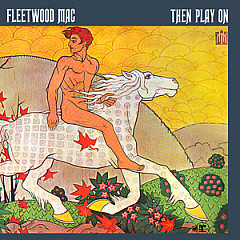
"Oh Well," from their 1960s Peter Green era, is the only Fleetwood Mac song played in concert in every decade they've been extant.
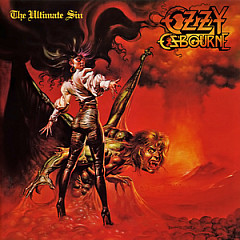
Ozzy Osbourne's "Shot In The Dark" is titled after the 1964 Pink Panther movie A Shot in the Dark. His bass player, who co-wrote the song, was a fan of the film.
"End Of The Road" by Boyz II Men comes off a bit thirsty, especially when we find out the girl cheated on him. The sketch show In Living Color parodied the song, with the group as "Boyz II Wimps."
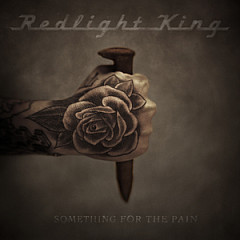
Neil Young rarely allows his songs to be sampled, but he let the Canadian group Redlight King use "Old Man" in their 2011 song, also called "Old Man."

The opening line in "How Soon Is Now?" by The Smiths is "I am the son and the heir," not "I am the sun and the air."
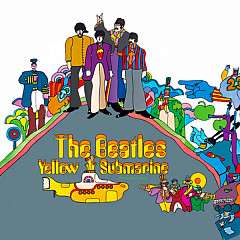
"25 or 6 to 4" to "Semi-Charmed Life" - see if you can spot the songs that are really about drugs.
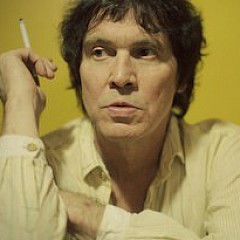
Since his debut single "I'm On Fire" in 1975, Dwight has been providing Spinal-Tap moments and misadventure.
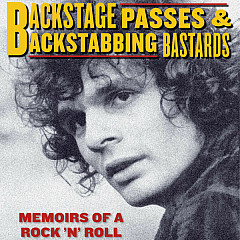
Kooper produced Lynyrd Skynyrd, played with Dylan and the Stones, and formed BS&T.
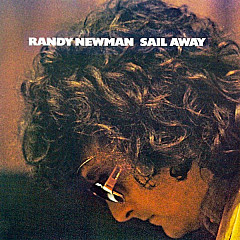
Newman makes it look easy these days, but in this 1974 interview, he reveals the paranoia and pressures that made him yearn for his old 9-5 job.
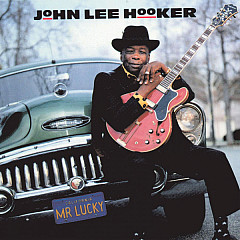
Into the vaults for Bruce Pollock's 1984 conversation with the esteemed bluesman. Hooker talks about transforming a Tony Bennett classic and why you don't have to be sad and lonely to write the blues.
Nirvana, Billy Joel and Bruce Springsteen are among those who wrote songs with cities that show up in this quiz.