Uptown

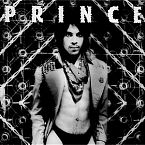
Album: Dirty Mind (1980)
Charted: 101
Play Video

Songfacts®:

  • Prince said that "Uptown" was his nickname for his hometown of Minneapolis, Minnesota. Uptown Minneapolis is located just 15 blocks from the downtown core and is not considered part of downtown. The neighborhood caters to a 21-35 crowd and is only a couple of blocks from their chain of lakes. (Thanks to the Minneapolis Regional Chamber of Commerce. For more, check out uptownminneapolis.com.)
  • This song is also about standing up against any kind of prejudice, whether it's targeted at skin color or style. Prince told Rolling Stone that, growing up, he and his friends "took a lot of heat all the time. People would say something about our clothes or the way we looked or who we were with, and we'd end up fighting. I was a very good fighter... I never lost. I don't know if I fight fair, but I go for it. That's what 'Uptown' is about - we do whatever we want, and those who cannot deal with it have a problem within themselves."
  • During a surprise phone-in interview the night before his birthday in 1985, Prince told the Detroit disc jockey, The Electrifying Mojo, what it was like to grow up in "Uptown": "Pretty different. Uh, kinda sad, to be exact. (laughs) I mean, the radio was dead, the discos was dead, ladies was kinda dead, so I felt like, if we wanted to make some noise, and I wanted to turn anything out... I was gonna have to get somethin' together. Which is what we did. We put together a few bands and turned it into Uptown. That consisted of a lot of bike riding nude, but ya know it worked. We had fun."
  • The song discusses the question many fans at the time had about Prince's sexuality. The lyrics made it clear that he was heterosexual. >>>
    Suggestion credit:
    Illya - Detroit, MI
  • This was the first single from Prince's third album, Dirty Mind. The song bubbled under at #101 on the Hot 100 and made #5 on the R&B chart, providing the closest thing to a hit on the album. Dirty Mind did well with critics and fans, but aside from "Uptown," it wasn't very radio-friendly, with songs like "Head" and "When You Were Mine" that were too risqué for the public airwaves. It wasn't until Prince's fifth album, 1999 (released in 1982), that he became a regular on radio and MTV.

Comments: 3

  • Erik from Minneapolis, MnThanks for tellin me what uptown is.I have lived here for 20 years.Let me tell you what Uptown is/was.A place for the counter culture like the east village in nyc.Creative, liberal, artistic and a place for us that don't fit the norms of society.Thats what uptown was. Now it's all yuppies and Corporate money.The freedom is gone and Uptown is just like anywhere else.It's not special like it used to be.
  • Chapman from San Francisco, CaOne of my very favorite songs. And Prince used to open concerts with this song.
  • Vincent from Littleredcorrvette.com, United StatesThanx Illya. Whoever u r! :D
see more comments

Editor's Picks

John Doe of X

John Doe of XSongwriter Interviews

With his X-wife Exene, John fronts the band X and writes their songs.

Chris Squire of Yes

Chris Squire of YesSongwriter Interviews

One of the most dynamic bass player/songwriters of his time, Chris is the only member of Yes who has been with the band since they formed in 1968.

Let Me Be Your Teddy Bear: Teddy Bears and Teddy Boys in Songs

Let Me Be Your Teddy Bear: Teddy Bears and Teddy Boys in SongsSong Writing

Elvis, Little Richard and Cheryl Cole have all sung about Teddy Bears, but there is also a terrifying Teddy song from 1932 and a touching trucker Teddy tune from 1976.

Jon Foreman of Switchfoot

Jon Foreman of SwitchfootSongwriter Interviews

Switchfoot's frontman and main songwriter on what inspires the songs and how he got the freedom to say exactly what he means.

Joe Elliott of Def Leppard

Joe Elliott of Def LeppardSongwriter Interviews

The Def Leppard frontman talks about their "lamentable" hit he never thought of as a single, and why he's juiced by his Mott The Hoople cover band.

Philip Cody

Philip CodySongwriter Interviews

A talented lyricist, Philip helped revive Neil Sedaka's career with the words to "Laughter In The Rain" and "Bad Blood."