Don't Believe The Hype

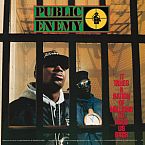
Album: It Takes a Nation of Millions to Hold Us Back (1988)
Charted: 18
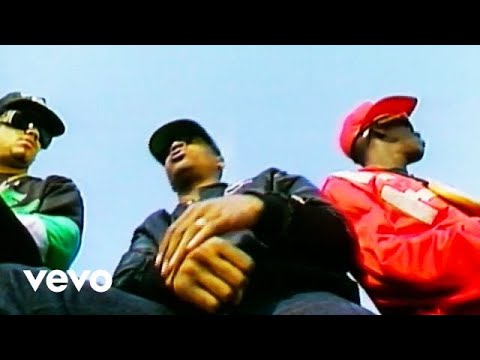
Play Video

Songfacts®:

  • In the '80s, Public Enemy often found themselves defending not just themselves, but rap music in general. They were accused of being militant racists; rap music was seen by some in the media as a haven for thugs and criminals. In "Don't Believe The Hype" they fire back with a screed explaining that Black pride doesn't equal white hatred; that their music is intelligent and progressive, not a passing fad.

    The group's rapper/"hype"-man Flavor Flav put it more succinctly at one of their 1988 concerts when they performed the song: "Those lying motherf----s from the press. They stink. They want Public Enemy banned from this country!"
  • According to group leader Chuck D, the song was influenced by a 1988 book by Noam Chomsky called Manufacturing Consent: The Political Economy of the Mass Media, which looks at how propaganda and be disseminated in the media, leading to distortions of the truth.
  • Chuck D and Flavor Flav wrote the song with two members of Public Enemy's "Bomb Squad" production team: Hank Shocklee and Eric "Vietnam" Sadler. It was the second single from their second album, It Takes a Nation of Millions to Hold Us Back, following "Bring The Noise."
  • The Long Island rap group Leaders Of The New School got their name from a line in this song:

    Leader of the new school, uncool
    Never played the fool, just made the rules


    The breakout star from that group was Busta Rhymes, whose name was suggested by Chuck D. (inspired by a college football player named Buster Rhymes). Leaders Of The New School were mentored by Public Enemy and released their debut album in 1991 and appeared the next year on the Tribe Called Quest classic "Scenario."
  • I'm going' to my media assassin
    Harry Allen, I gotta ask him


    Harry Allen was one of the first rap journalists, and also the public relations director for Public Enemy, or as they called him, their "Media Assassin." He delivers the line "don't believe the hype" after his shout-out in the song.
  • Like many Public Enemy songs, "Don't Believe The Hype" was built by layering samples. The main drum riff comes from a 1973 song called "Synthetic Substitution" by Melvin Bliss, and the horn squeal is from James Brown's 1971 song "Escape-Ism."
  • Chuck D takes a stab at the radio station practice of "dayparting" in the part that starts:

    In the daytime the radio's scared of me

    Around this time (1988) it was common practice for radio stations to play hip-hop songs only at night so they wouldn't disturb people listening at work. So during the day you'd be likely to hear Anita Baker and Luther Vandross, but at night they'd be replaced by the likes of Public Enemy and Bobby Brown.

Comments

Be the first to comment...

Editor's Picks

Little Big Town

Little Big TownSongwriter Interviews

"When seeds that you sow grow by the wicked moon/Be sure your sins will find you out/Your past will hunt you down and turn to tell on you."
Tommy James

Tommy JamesSongwriter Interviews

"Mony Mony," "Crimson and Clover," "Draggin' The Line"... the hits kept coming for Tommy James, and in a plot line fit for a movie, his record company was controlled by the mafia.

Ron and Russell Mael of Sparks

Ron and Russell Mael of SparksSongwriter Interviews

The men of Sparks on their album Hippopotamus, and how Morrissey handled it when they suggested he lighten up.

Colbie Caillat

Colbie CaillatSongwriter Interviews

Since emerging from MySpace with her hit "Bubbly," Colbie has become a top songwriter, even crafting a hit with Taylor Swift.

History Of Rock

History Of RockSong Writing

An interview with Dr. John Covach, music professor at the University of Rochester whose free online courses have become wildly popular.

Steve Morse of Deep Purple

Steve Morse of Deep PurpleSongwriter Interviews

Deep Purple's guitarist since 1994, Steve talks about writing songs with the band and how he puts his own spin on "Smoke On The Water."