Piano Concerto in B Flat

Album: Tchaikovsky Piano Concerto No.1 (1875)
Play Video

Songfacts®:

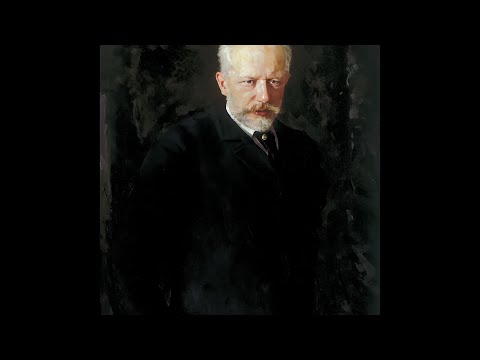
  • Tchaikovsky wrote this concerto between November 1874 and February 1875. It was originally dedicated to his mentor and director of the Moscow Conservatoire, Nikolai Rubenstein. When the Russian composer first played it to his friend on Christmas Eve 1874, Rubenstein's reaction was, "Banal, clumsy and incompetently written; poorly composed and unplayable."

    "I shall not alter a single note," the notoriously touchy composer responded, "I shall publish the work exactly as it is!" Tchaikovsky did in fact subject the concerto to some minor revision as well as changing the dedication to pianist Hans Von Bulow.
  • Bulow was the soloist at the concerto's premiere on October 25, 1875 in Boston, Massachusetts where it went down a storm with the audience, but the critics were less impressed. One wrote that the concerto was "hardly destined...to become classical."

    The Russian premiere took place on November 13, 1875 in Saint Petersburg, but Tchaikovsky claimed that the soloist, Russian pianist Gustav Krossm reduced the work to "an atrocious cacophony."

    Tchaikovsky later resolved his differences with Rubinstein and actually incorporated some of his suggestions in a revision that he made of the work in 1889. Rubenstein had come to see its merits, and he played the solo part many times throughout Europe.
  • The four opening crashing chords are some of the most famous chords in history. The concerto's first theme, which follows it, is based on a folk melody that Tchaikovsky heard performed by blind beggar-musicians at a market in Kamenka (near Kiev in what is now Ukraine).
  • Tchaikovsky's quick waltz in the middle of the second movement was borrowed from the French cabaret song "Il faut s'amuser, danser et rire." ("One must have fun, dance and laugh").
  • Freddy Martin and His Orchestra's 1941 arrangement of the first movement proved to be popular, so the bandleader recut it as "Tonight We Love" with the addition of Clyde Rogers' vocal. This new version with lyrics became his biggest hit and its success prompted Martin to adopt other classical themes as well.
  • Van Cliburn's 1958 recording of the concerto was the first classical recording ever to sell one million copies, and was the biggest selling classical recording worldwide for nearly a decade. Cliburn was a pianist from Louisiana, who after winning the Tchaikovsky piano competition in Moscow in 1958, became a superstar overnight.
  • This piece is often associated with the great actor and director Orson Welles. It was initially used as the theme to Welles's famous radio series, The Mercury Theatre on the Air, and subsequently was often played when introducing him as a guest on both radio and television.
  • Uses of the concerto in movies include in the opening credits of 1941's The Great Lie (it was also played by Mary Astor's character Sandra Kovak at the end of the film). Also Liberace's version can be heard being played in the 1990 movie Misery.

Comments

Be the first to comment...

Editor's Picks

Marc Campbell - "88 Lines About 44 Women"

Marc Campbell - "88 Lines About 44 Women"They're Playing My Song

The Nails lead singer Marc Campbell talks about those 44 women he sings about over a stock Casio keyboard track. He's married to one of them now - you might be surprised which.

Grunge Bands Quiz

Grunge Bands QuizMusic Quiz

If the name Citizen Dick means anything to you, there's a chance you'll get some of these right.

Jim Adkins of Jimmy Eat World

Jim Adkins of Jimmy Eat WorldSongwriter Interviews

Jim talks about the impact of "The Middle" and uses a tree metaphor to describe his songwriting philosophy.

Narada Michael Walden - "Freeway of Love"

Narada Michael Walden - "Freeway of Love"They're Playing My Song

As a songwriter and producer, Narada had hits with Aretha Franklin, Whitney Houston, Mariah Carey and Starship. But what song does he feel had the greatest impact on his career?

Dave Mason

Dave MasonSongwriter Interviews

Dave reveals the inspiration for "Feelin' Alright" and explains how the first song he ever wrote became the biggest hit for his band Traffic.

Trans Soul Rebels: Songs About Transgenderism

Trans Soul Rebels: Songs About TransgenderismSong Writing

A history of songs dealing with transgender issues, featuring Pink Floyd, David Bowie, Morrissey and Green Day.