
Jessie J had a lyric from her song "Who You Are" tattooed on her hip, but she spelled "lose" incorrectly so it reads: "Don't loose who you are in the blur of the stars."
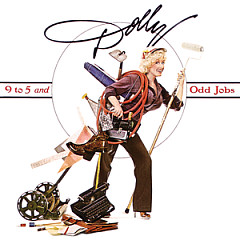
Dolly Parton wrote her #1 hit "9 to 5" for the 1980 movie she starred in as a secretary. The film is a comedy and the song has a lighthearted feel, but the message of gender discrimination in the office was very real. Both the song and movie helped bring the issue to the fore.
Train wrote the 2011 song "Brand New Book" for the TV show The Biggest Loser - part of the song was used in the opening credits.
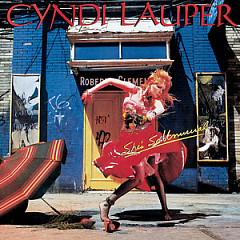
Cyndi Lauper came up with the title "Time After Time" when she saw it in TV Guide magazine. It's the name of a 1979 movie about a man who invents a time machine.
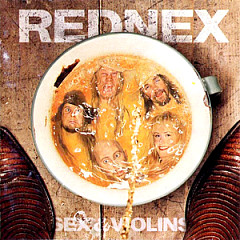
"Cotton Eye Joe" is a folk song dating to the 1800s, but it became a hit when a Swedish act called Rednex did a psychokinetic version in 1994.
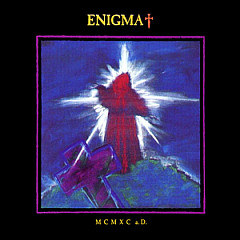
The song "Sadeness" by Enigma (the one with the chanting monks), got its name from the French novelist Marquis de Sade, who believed sex had to be painful in order to be pleasurable - thus the word "sadism."
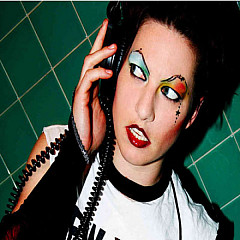
Call us crazy, but we like it when an artist comes around who doesn't mesh with the status quo.

Johnny Depp, Angelina Jolie, Mila Kunis and John Malkovich are just a few of the film stars who have moonlighted in music videos.

Director Mark Pellington on Pearl Jam's "Jeremy," and music videos he made for U2, Jon Bon Jovi and Imagine Dragons.
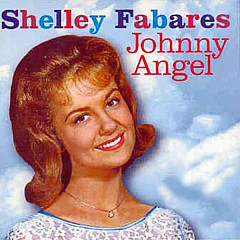
For songwriters, Johnny represents the American man. He has been angry, cool, magic, a rebel and, of course, marching home.
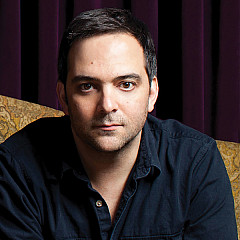
The guy who brought us "Stacy's Mom" also wrote the Jane Lynch Emmy song and Stephen Colbert's Christmas songs.
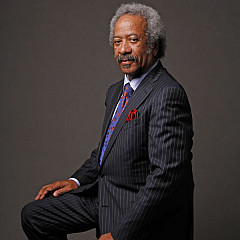
A song he wrote and recorded from "sheer spiritual inspiration," Allen's didn't think "Southern Nights" had hit potential until Glen Campbell took it to #1 two years later.