
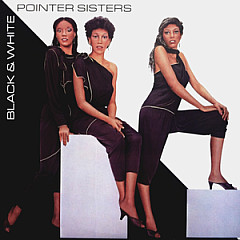
"Slow Hand" was a #1 Country hit for Conway Twitty in 1982, a year after The Pointer Sisters recorded it.
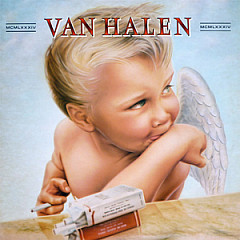
Van Halen's first #1 hit was "Jump," an unusual song for the band because the lead instrument was synthesizer, not guitar.
The rockabilly sound was big in the late 1950s, when Buddy Holly was popular. One of the biggest hits in that genre was the #1 "Party Doll" by Buddy Knox, which used a cardboard box filled with cotton as the drums.
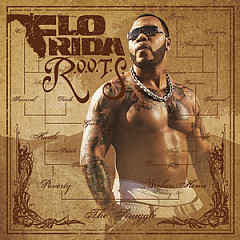
An unknown Kesha (known then as Ke$ha) sang on Flo-Rida's #1 hit "Right Round," but refused to appear in the video because she wanted to make a name for herself.
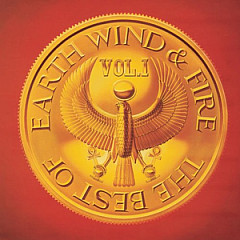
The chorus in "September" by Earth, Wind & Fire is "Bada-Ya, dancing in September." Group leader Maurice White left it "Bada-Ya" instead of a real word because he never let a lyric get in the way of a groove.
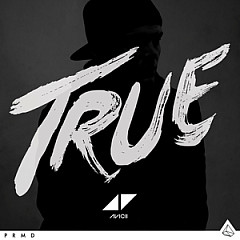
The first big hit to blend EDM with country music was "Wake Me Up" by the Swedish DJ Avicii. He put the song together with Mike Einziger of Incubus and with Aloe Blacc, who sings on it.
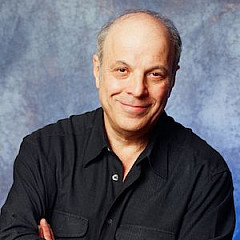
After studying in Paris with a famous composition teacher, Charles became the most successful writer of TV theme songs.
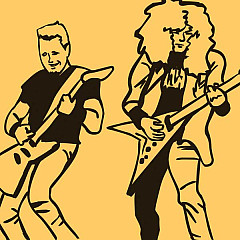
Beef with Bon Jovi? An unfortunate Spandex period? See if you can spot the true stories in this Metallica version of Fact or Fiction.
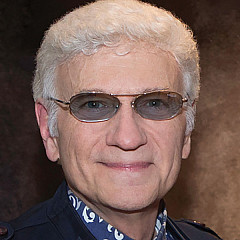
Dennis DeYoung explains why "Mr. Roboto" is the defining Styx song, and what the "gathering of angels" represents in "Come Sail Away."

Lyrics don't always follow the rules of grammar. Can you spot the ones that don't?
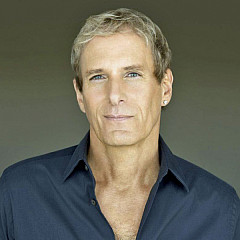
Into the vaults for this talk with Bolton from the '80s when he was a focused on writing songs for other artists.
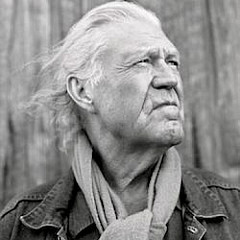
The outlaw country icon talks about the spiritual element of his songwriting and his Bob Dylan mention.