Turn It Up

Album: Lullaby And… The Ceaseless Roar (2014)
Play Video

Songfacts®:

  • This song addresses Robert Plant's decision to break up with singer Patty Griffin, whom he lived with in Austin, Texas, and return to his native England. "Patty and I tried a sort of zig-zag across the Atlantic," he explained to The Independent, "but she didn't share my penchant for cider and she used to marvel at the Black Country character I became after four pints of Thatchers. My feelings are very much ones of sadness and regret, but I also disturbed myself. I had to come back [to Worcestershire, England] to find out just how much I valued what I'd left behind."
  • The song details Plant's disillusionment as he drove through the American South with nothing interesting on the car radio. He explained to Uncut magazine: "Patty was recording American Kid across the border from Memphis with The North Mississippi All-Stars. I used to pop in every day and listen. But I didn't want to sit in some studio listening to people recording. There's nothing duller than that, unless you watch a nil-nil draw with (soccer team) Aston Villa. So the rest of time, I had a car and I was moving through the hill country. I had the radio on and I realised I couldn't find anything substantial. I just heard religious claptrap and right-wing stuff down there on AM radio, sports radio, phone-in programs.."

    "It's a very poignant song as I was turning into someone else I heard so much about," Plant continued. "I suddenly became a hero with people, instead of 'Planty down the road'. I come and go in the game that I play, and I have the audacious expectation to be invisible most of the time. Because I just like to sing."
  • Plant said on the short film Returning To The Borders, which explores the themes of Lullaby And… The Ceaseless Roar, "I've been away a long time from these borders. I spent a lot of time traveling through the south. I was searching to see if I could find out the character of the area from the radio that was on in the car."

    "So I wrote the lyrics against an amazing link to those days, back in the 1930s and '40s, when the south was the centre of the black revolution in music, before the Great Migration up to Chicago."

Comments

Be the first to comment...

Editor's Picks

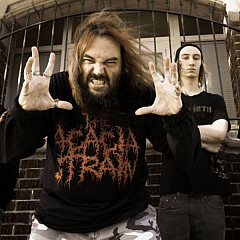
Max Cavalera of Soulfly (ex-Sepultura)

Max Cavalera of Soulfly (ex-Sepultura)Songwriter Interviews

The Brazilian rocker sees pictures in his riffs. When he came up with one of his gnarliest songs, there was a riot going on.
Bands Named After Real People (Who Aren't In The Band)

Bands Named After Real People (Who Aren't In The Band)Song Writing

How a gym teacher, a janitor, and a junkie became part of some very famous band names.
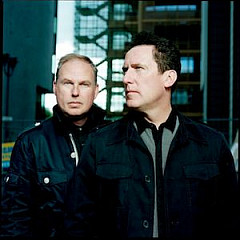
Andy McClusky of OMD

Andy McClusky of OMDSongwriter Interviews

Known in America for the hit "If You Leave," OMD is a huge influence on modern electronic music.
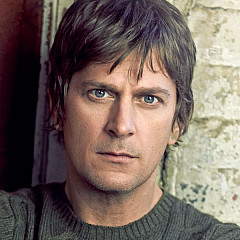
Rob Thomas of Matchbox Twenty

Rob Thomas of Matchbox TwentySongwriter Interviews

Rob Thomas on his Social Distance Sessions, co-starring with a camel, and his friendship with Carlos Santana.
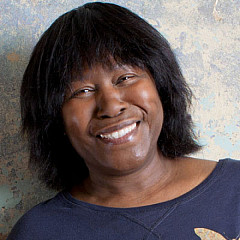
Joan Armatrading

Joan ArmatradingSongwriter Interviews

The revered singer-songwriter talks inspiration and explains why she put a mahout in "Drop the Pilot."
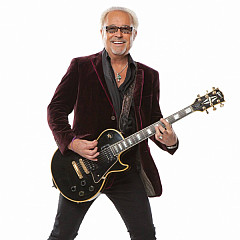
Mick Jones of Foreigner

Mick Jones of ForeignerSongwriter Interviews

Foreigner's songwriter/guitarist tells the stories behind the songs "Juke Box Hero," "I Want To Know What Love Is," and many more.