
Shipbuilding

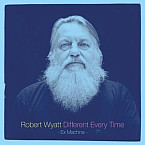
Album: Different Every Time (1982)
Charted: 35
Play Video

Songfacts®:

  • By the early 1980s, Britain's industrial heartlands were in decline, leaving shipyard towns with dwindling prospects and soaring unemployment. The 1982 Falklands War offered an unexpected glimmer of hope: military demand could bring work back to the yards. But the men building those ships faced a painful reality. The same vessels that promised to put food on their tables might carry their sons into a war they might not survive.

    That contradiction lies at the heart of "Shipbuilding," an anti-war song written by Elvis Costello with a melody by producer Clive Langer. Like Costello's earlier hit "Oliver's Army," which criticizes the way working-class young men are sent to fight, "Shipbuilding" asks whether the jobs created by conflict are worth the human cost. For shipyard workers, the prospect of renewed employment was welcome, but the reason for it was hard to stomach.
  • Living above Swanky Modes, a fashion shop in Camden, Langer installed a cheap piano in the changing room because it was the only space available. He would creep down at three in the morning to work on the tune, feeling he had a great melody but no lyrics to match.

    At a party hosted by Nick Lowe in Chiswick, Langer played the tune for Costello and asked him to write the words. "I remember him saying he was trying to write something about the hours of the day," Costello told Uncut magazine. "It was like a Brill Building commission."
  • Costello took a cassette of Langer's tune on a tour of Australia while the Falklands War was underway and quickly found his subject. "I was thinking about how that would affect society in England, not just in terms of the loss of lives and whatever it was about," he explained. "It felt transparently to me that both governments needed a distraction from other things."

    Costello was appalled by the government's treatment of industrial communities in the North, and the realization that workers might get their jobs back thanks to a war gave the song its core meaning.
  • Costello and Langer agreed that former Soft Machine singer Robert Wyatt was the right person to sing it. "I knew Robert could address these issues because of a plaintiveness in his voice," Costello said.

    Wyatt delivers a understated, mournful vocal that gives the song its quiet power without sounding preachy.
  • Wyatt's original recording of "Shipbuilding" came out in 1982 and reached #35 on the UK Singles Chart in 1983. Costello subsequently recorded his own version for his 1983 album Punch the Clock.

Comments

Be the first to comment...

Editor's Picks

Chrissie Hynde of The Pretenders

Chrissie Hynde of The PretendersSongwriter Interviews

The rock revolutionist on songwriting, quitting smoking, and what she thinks of Rush Limbaugh using her song.
Billy Gould of Faith No More

Billy Gould of Faith No MoreSongwriter Interviews

Faith No More's bassist, Billy Gould, chats to us about his two new experimental projects, The Talking Book and House of Hayduk, and also shares some stories from the FNM days.

Yacht Rock Quiz

Yacht Rock QuizFact or Fiction

Christopher Cross with Deep Purple? Kenny Loggins in Caddyshack? A Fact or Fiction all about yacht rock and those who made it.
Jesus Christ Superstar: Ted Neeley Tells the Inside Story

Jesus Christ Superstar: Ted Neeley Tells the Inside StorySong Writing

The in-depth discussion about the making of Jesus Christ Superstar with Ted Neeley, who played Jesus in the 1973 film.

Grateful Dead Characters

Grateful Dead CharactersMusic Quiz

Many unusual folks appear in Grateful Dead songs. Can you identify them?

Macabre Mother Goose: The Dark Side of Children's Songs

Macabre Mother Goose: The Dark Side of Children's SongsSong Writing

"London Bridge," "Ring Around the Rosie" and "It's Raining, It's Pouring" are just a few examples of shockingly morbid children's songs.