
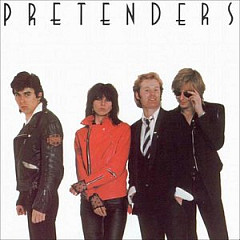
Chrissie Hynde got the phrase "Brass In Pocket" from a Northern England slang term meaning you had some money, "brass" meaning coins.
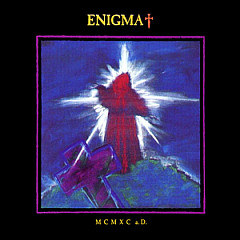
The song "Sadeness" by Enigma (the one with the chanting monks), got its name from the French novelist Marquis de Sade, who believed sex had to be painful in order to be pleasurable - thus the word "sadism."
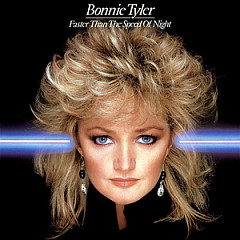
"Total Eclipse Of The Heart" by Bonnie Tyler is a tribute to the vampire movie Nosferatu, depicting an immortal "love in the dark."
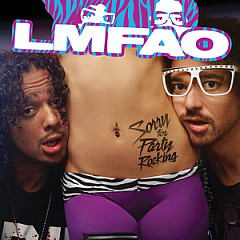
We were all party rocking in 2011 with the global smash "Party Rock Anthem," but rap fans know the "Everyday I'm shufflin'" line is a take on "Everyday I'm hustlin'" from the 2006 Rick Ross track "Hustlin'."
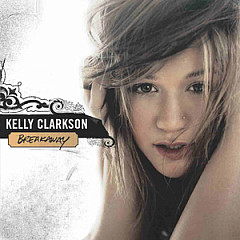
Dr. Luke and Max Martin originally wrote Kelly Clarkson's "Since U Been Gone" with Pink in mind but she turned it down.
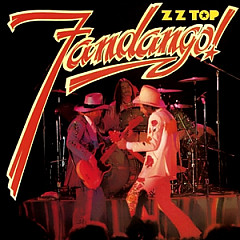
"Tush" doesn't have to refer to anatomy, according to ZZ Top. It's a word that also means "lavish."
Beef with Bon Jovi? An unfortunate Spandex period? See if you can spot the true stories in this Metallica version of Fact or Fiction.
A big list of musical marriages and family relations ranging from the simple to the truly dysfunctional.
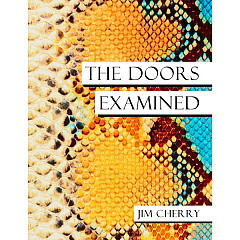
Doors expert Jim Cherry, author of The Doors Examined, talks about some of their defining songs and exposes some Jim Morrison myths.
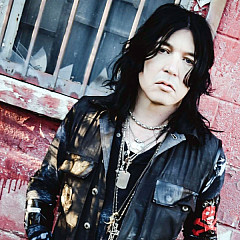
Tom talks about the evolution of Cinderella's songs through their first three albums, and how he writes as a solo artist.
The Creed lead singer reveals the "ego and self-fulfillment" he now sees in one of the band's biggest hits.
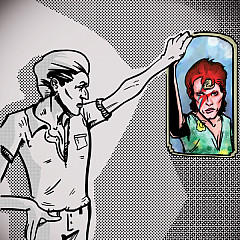
Long before Eminem, Justin Bieber and Nicki Minaj created alternate personas, David Bowie, Bono, Joni Mitchell and even Hank Williams took on characters.