Dirty Rosie

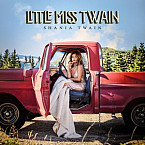
Album: Little Miss Twain (2026)
Play Video

Songfacts®:

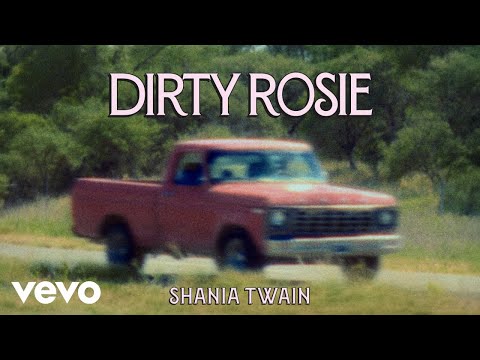
  • "Dirty Rosie" is Shania Twain's affectionate tribute to the battered pickup trucks of her Northern Ontario childhood. Written solely by Twain, the song turns her first faded-red work truck into a symbol of independence, hard work and knowing your own worth.
  • The inspiration came from Twain's upbringing. Before she was old enough to drive legally, she was already steering worn-out pickups along Northern Ontario logging roads. "Dirty trucks were the only kind of trucks we had, and they were always old and rickety, and we could not afford new ones," she told Absolute Country Radio. "I remember my dad's truck; it was a red truck, but it faded, of course, to a rosie color."
  • For Twain, "Dirty Rosie" was much more than transportation. "It represents a worker in me, rolling up your sleeves without abandoning your femininity at the same time," she explained.

    That blend of toughness and confidence runs throughout the song, where the truck becomes shorthand for self-respect in relationships: someone might drive her crazy, but they certainly aren't driving her pickup.

    Twain made that point during an appearance on The Pulse on SiriusXM, telling host Brady that if she owned a truck like Rosie today, "I would not let anyone else drive it. I would cherish it more than if I had, you know, a Corvette or something."

    It's a sentiment that lands as both a joke and the song's central message. Some people treasure luxury cars; Twain treasures the vehicle that taught her resilience, and probably a fair amount about basic suspension repair.
  • The song's car/truck imagery includes a nod to Prince's "Little Red Corvette."

    Hot, red, little Corvette
    Prince said
    "Girl, you better get it right"


    The reference places Rosie within a wider pop-culture garage.
  • "Dirty Rosie" was produced by American musician Zach Dawes, bassist for Mini Mansions and The Last Shadow Puppets, and a longtime collaborator of Lana Del Rey.
  • Shania Twain played the banjo on this track (wait... Shania Twain plays the banjo!). The other musicians are:

    Jay Bellerose: drums, percussion
    Freddie Washington: bass, backing vocals
    Tommy Brenneck: electric guitar, Hammond organ
    T Bone Burnett: electric guitar
    Jon Brion: electric guitar
    Kenneth Pattengale: acoustic guitar
    Luke Black: guitar, banjo, backing vocals
    Josiah Nelson: fiddle, backing vocals
    Drury Anderon: backing vocals
    Sam Wilson: backing vocals

    The presence of guitarists T Bone Burnett, Jon Brion, and Tommy Brenneck hints at the track's eclectic sound, blending roots rock, alt-country accents, and a touch of cinematic atmosphere. Twain's own banjo, along with Luke Black's banjo and fiddle contributions, keeps the song anchored in acoustic, country textures, even as the rhythm and hook lean toward pop.
  • "Dirty Rosie" was released on March 13, 2026, as the lead single from Little Miss Twain, ahead of the album's July 24 release. The album title reflects Twain's years singing in bars from the age of 8 and later performing late-night sets as a teenager to help support her family. Within that framework, "Dirty Rosie" functions as a kind of origin‑story vignette: the girl from the logging roads and snowy backwoods learning agency behind the wheel.

Comments

Be the first to comment...

Editor's Picks

Mac Powell of Third Day

Mac Powell of Third DaySongwriter Interviews

The Third Day frontman talks about some of the classic songs he wrote with the band, and what changed for his solo country album.

Chris Robinson of The Black Crowes

Chris Robinson of The Black CrowesSongwriter Interviews

"Great songwriters don't necessarily have hit songs," says Chris. He's written a bunch, but his fans are more interested in the intricate jams.

Did They Really Sing In That Movie?

Did They Really Sing In That Movie?Fact or Fiction

Bradley Cooper, Michael J. Fox, Rami Malek, Reese Witherspoon, Gwyneth Paltrow and George Clooney: Which actors really sang in their movies?

Sending Out An SOS - Distress Signals In Songs

Sending Out An SOS - Distress Signals In SongsSong Writing

Songs where something goes horribly wrong (literally or metaphorically), and help is needed right away.

Susanna Hoffs - "Eternal Flame"

Susanna Hoffs - "Eternal Flame"They're Playing My Song

The Prince-penned "Manic Monday" was the first song The Bangles heard coming from a car radio, but "Eternal Flame" is closest to Susanna's heart, perhaps because she sang it in "various states of undress."

Gary LeVox

Gary LeVoxSongwriter Interviews

On "Life Is A Highway," his burgeoning solo career, and the Rascal Flatts song he most connects with.