
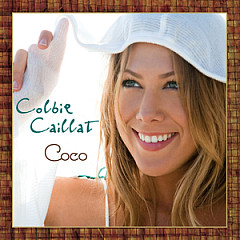
Colbie Caillat sang "Bubbly" when she auditioned for American Idol in 2004, but was sent packing. Three years later it became a big hit when she released it as her first single - the song spent 19 weeks at #1 on the Adult Contemporary chart.
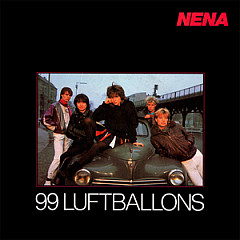
"99 Luftballons" by Nena is about a Cold War scare when balloons showed up on radar and were mistaken as a nuclear threat.

Members of the San Francisco 49ers, including Dwight Clark, Joe Montana and Ronnie Lott, sang backup on "Hip to Be Square" by Huey Lewis and the News.
"The Night Chicago Died" was written and recorded by the British group Paper Lace. They talk about Al Capone in the song, but got a lot of details wrong - understandable since they wrote it based on gangster movies.
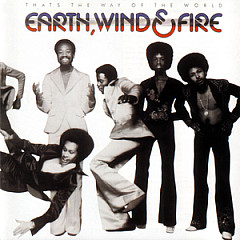
"Reasons" by Earth, Wind & Fire is a popular wedding song, but it's actually about a one-night stand.
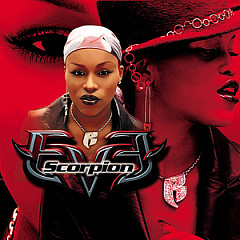
2001 was when collaborations between rappers and singers became commonplace, leading to a new Grammy category: Best Rap/Sung Collaboration. The first winner was "Let Me Blow Ya Mind" by Eve and Gwen Stefani. This was before Stefani put out her first solo album.
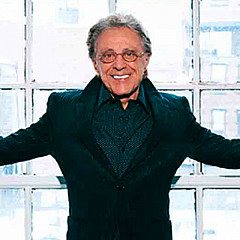
An interview with Frankie Valli, who talks about why his songs - both solo and with The Four Seasons - have endured, and reflects on his time as Rusty Millio on The Sopranos.
One of rock's top photographers talks about artistry in photography, raising funds for a documentary, and enjoying a County Fair with Tom Waits.
Even before Soundgarden wrote a song about him, Artis was the most famous spoon player of all time. So why has he always been broke?
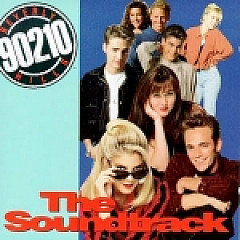
Shows like Dawson's Creek, Grey's Anatomy and Buffy the Vampire Slayer changed the way songs were heard on TV, and produced some hits in the process.
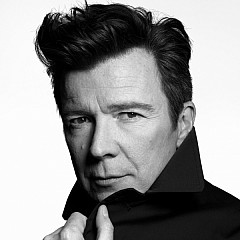
Rick Astley on "Never Gonna Give You Up," "Cry For Help," and his remarkable resurgence that gave him another #1 UK album.
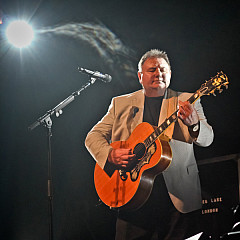
Greg talks about writing songs of "universal truth" for King Crimson and ELP, and tells us about his most memorable stage moment (it involves fireworks).