

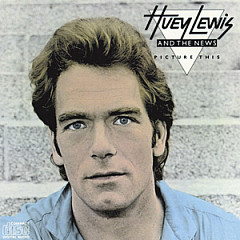
The first Huey Lewis & the News hit, "Do You Believe In Love?," is a cover of a song Mutt Lange wrote three years earlier called "We Both Believe In Love."
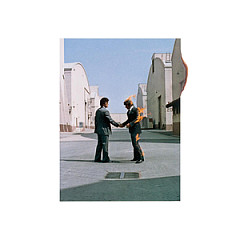
Pink Floyd's "Shine On You Crazy Diamond" is about their founding member Syd Barrett, who became an acid casualty. Notice the S-Y-D in the title.
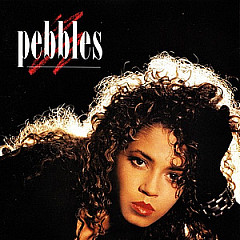
"Mercedes Boy" by Pebbles is about a real guy she fell in love with - they both drove Mercedes when she wrote it.

The chant in the Bruno Mars/Rosé hit "APT" is "apateu," the Korean word for apartment. It's named after a Korean drinking game called "Apartment" that Rosé told Bruno about.
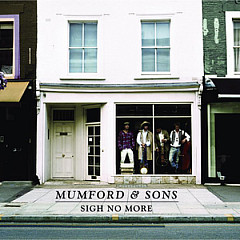
"The Cave" by Mumford & Sons is based on the philosophy of Plato and his work called "Allegory of the Cave."

Stevie Nicks got the title for the Fleetwood Mac song "Silver Springs" from the city of Silver Spring, Maryland, but the song has nothing to do with the city - it's a message to her bandmate Lindsey Buckingham following their split.
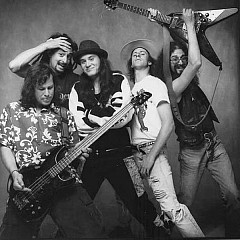
Faith No More's bassist, Billy Gould, chats to us about his two new experimental projects, The Talking Book and House of Hayduk, and also shares some stories from the FNM days.
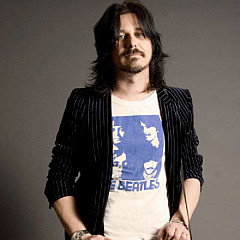
The Guns N' Roses rhythm guitarist in the early '90s, Gilby talks about the band's implosion and the side projects it spawned.
Here is the church, here is the steeple - see if you can identify these lyrics that reference church.
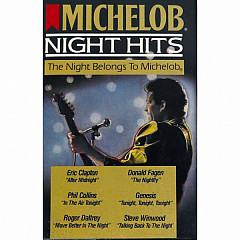
Michelob commercials generated hits for Eric Clapton, Genesis and Steve Winwood in the '80s, even as some of these rockers were fighting alcoholism.
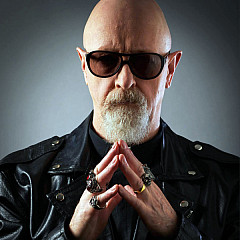
Rob Halford dives into some of his Judas Priest lyrics, talking about his most personal songs and the message behind "You've Got Another Thing Comin'."
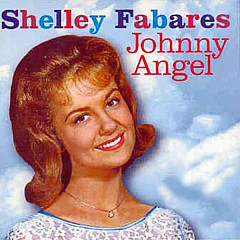
For songwriters, Johnny represents the American man. He has been angry, cool, magic, a rebel and, of course, marching home.