No Compassion

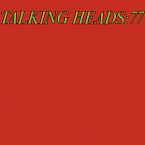
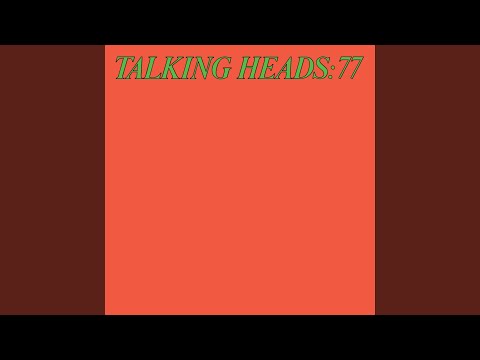
Album: Talking Heads '77 (1977)
Play Video

Songfacts®:

  • "No Compassion" is the closing track on the first side of Talking Heads' debut album, Talking Heads: 77, released in September 1977. It's an early and unusually blunt example of David Byrne's lyrical worldview, with a confrontational attitude toward social conventions and emotional expectations.
  • "No Compassion" is Byrne's critique of a certain kind of modern complaint culture, people who endlessly rehearse their anxieties without ever doing anything about them. Byrne finds this baffling. Problems are for solving, not sharing. Hence the brush-off:

    Go talk to your analyst
    Isn't that what they're paid for?


    Emotional labor, the song suggests, should be outsourced to professionals, preferably ones with clipboards.
  • The song came out of a real-life relationship. "David was dating a girl, a really terrific girl- a wonderful artist, so smart," bassist Tina Weymouth told Uncut magazine. "He got so many ideas from her. But at one point, he just got cruel. He wrote this song, which is so negative."

    Yet, she added, it rang true. Byrne's lyrics, usually assembled in a cut-and-paste, William Burroughs–style collage of overheard phrases and newspaper snippets, here come closer than usual to autobiography, even if filtered through his characteristic emotional detachment.
  • That detachment connects "No Compassion" to other early Talking Heads songs wrestling with the awkwardness of feeling things in public. The album's "New Feeling" treats emotion like a suspicious physical symptom, while "Psycho Killer" pushes anxiety into outright menace. Later Byrne turned similar discomfort outward on songs like "Life During Wartime" and "Once In A Lifetime," where panic becomes routine and identity starts to wobble. "No Compassion" is where that worldview first shrugs and says: I'm not playing along.
  • In recent years, some critics and fans have revisited the song through a neurodivergent lens. Byrne has described himself, retrospectively, as "borderline Asperger's" or as having "probably" had Asperger's, based on traits he recognized in adulthood rather than a formal diagnosis. Scholars and listeners alike have noted how Talking Heads songs, especially on Fear of Music and Remain in Light, frequently circle themes of social anxiety, miscommunication, and different thinking. Read this way, Byrne's lyrics on "No Compassion," flatly rejecting expected displays of empathy and recoiling from emotional demands, sounds less heartless than overwhelmed.
  • Early versions of "No Compassion" date back to the 1975 CBS demos, recorded before keyboardist Jerry Harrison joined the band, and the song was a regular feature of Talking Heads' early CBGB's sets. Live performances in 1975 and again in October 1977 show how central it was to the band's initial identity: confrontational, funny, and faintly unsettling.
  • Talking Heads: 77 was recorded at New York's Sundragon and ODO Studios with producer Tony Bongiovi (cousin of a then-unknown Jon Bon Jovi). The album became a Top 40 hit in parts of Europe and is now widely regarded as a landmark debut that helped define late '70s art-punk and new wave. Its influence stretches from The Rapture to Foals, and in 2012 it landed at #291 on Rolling Stone's list of the "500 Greatest Albums of All Time," as well as earning a place in the book 1001 Albums You Must Hear Before You Die.

Comments

Be the first to comment...

Editor's Picks

Carol Kaye

Carol KayeSongwriter Interviews

A top session musician, Carol played on hundreds of hits by The Beach Boys, The Monkees, Frank Sinatra and many others.

Barry Dean ("Pontoon," "Diamond Rings And Old Barstools")

Barry Dean ("Pontoon," "Diamond Rings And Old Barstools")Songwriter Interviews

A top country songwriter, Barry talks about writing hits for Little Big Town, Tim McGraw and Jason Aldean.

Robert DeLeo of Stone Temple Pilots

Robert DeLeo of Stone Temple PilotsSongwriter Interviews

Stone Temple Pilots bass player Robert DeLeo names the songs that have most connected with fans and tells the stories behind tracks from their Tiny Music album.

Charlie Benante of Anthrax

Charlie Benante of AnthraxSongwriter Interviews

The drummer for Anthrax is also a key songwriter. He explains how the group puts their songs together and tells the stories behind some of their classics.

Adam Duritz of Counting Crows

Adam Duritz of Counting CrowsSongwriter Interviews

"Mr. Jones" took on new meaning when the song about a misguided view of fame made Adam famous.

Ramones

RamonesFact or Fiction

A band so baffling, even their names were contrived. Check your score in the Ramones version of Fact or Fiction.