
Rain In The Summertime

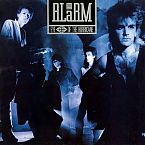
Album: Eye Of The Hurricane (1987)
Charted: 18 71
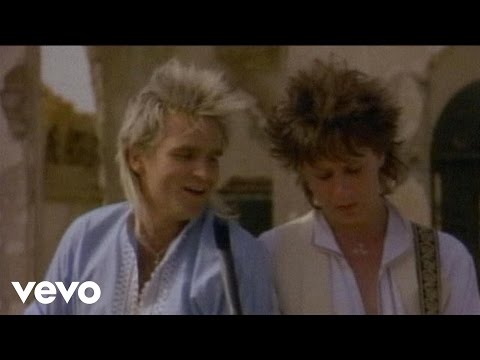
Play Video

Songfacts®:

  • Rain in the summertime can provide welcome relief from the blistering sun. The song deals with the internal struggles The Alarm were facing. They had great expectations after releasing their first EP in 1983 and touring with U2, but over the next few years they couldn't chase down a hit and found themselves in rough financial waters, leading to tension in the group. Two of the four members - lead singer Mike Peters and bassist Eddie Macdonald - wrote most of the songs, leaving guitarist Dave Sharp and drummer Nigel Twist without those royalties (U2 split songwriting credits evenly among the band). When they convened to work on their third album, Eye Of The Hurricane, Sharp and Twist wanted to change this dynamic, but most of the songs remained Peters/Macdonald compositions.

    "Rain In The Summertime" was the last song they wrote for the album, and they did it as a band. "We had a huge battle and it tore us apart," Peters told Songfacts. "To get to the end of the record and have that song, it felt like we'd weathered a massive storm. We'd come through the eye of the hurricane, and here was the rain at the end of this intense period just to wash away all the ill feeling and bad experiences that we had, to bring us together."

    The Alarm got a second wind and ended up recording two more albums before disbanding in 1991.
  • The Alarm recorded the Eye Of The Hurricane album with producer John Porter, known for his work with The Smiths. The band had also the songs they thought they needed demoed when they started working with him, but before they started recording, Porter asked if they had any other material. Mike Peters had something on tape that he played the producer.

    "It was a bit of a jam and it lasted for about 20 minutes," Peters said in his Songfacts interview. "I played it for John, and he said, 'There's something in that. Leave it with me.' In his producer's suite, he had original Otari computers that came into music-making in the mid-'80s. And he laid out the song arrangement from the best parts of the tape. All of a sudden, he had me singing a guide vocal in the studio, and I thought, 'Wow, this is something really special here!'"
  • The single was released in October 1987, which was unfortunate timing considering the subject matter. It reached its peak position of #71 in the US in January 1988.
  • According to Mike Peters, the key lines in this song are:

    If I run fast enough
    I can leave all the pain and the sadness behind


    "That's really what that song is trying to communicate," he says.

Comments

Be the first to comment...

Editor's Picks

Goodbye, Hello: Ten Farewell Tour Fake-Outs

Goodbye, Hello: Ten Farewell Tour Fake-OutsSong Writing

The 10 biggest "retirement tours" that didn't take.

Dexys (Kevin Rowland and Jim Paterson)

Dexys (Kevin Rowland and Jim Paterson)Songwriter Interviews

"Come On Eileen" was a colossal '80s hit, but the band - far more appreciated in their native UK than stateside - released just three albums before their split. Now, Dexys is back.

Cheerleaders In Music Videos

Cheerleaders In Music VideosSong Writing

It started with a bouncy MTV classic. Nirvana and MCR made them scary, then Gwen, Avril and Madonna put on the pom poms.

Little Richard

Little RichardFact or Fiction

Was Long Tall Sally a cross-dresser? Did he really set his piano on fire? See if you know the real stories about one of rock's greatest innovators.

Gary Numan

Gary NumanSongwriter Interviews

An Electronic music pioneer with Asperger's Syndrome. This could be interesting.

Mark Arm of Mudhoney

Mark Arm of MudhoneySongwriter Interviews

When he was asked to write a song for the Singles soundtrack, Mark thought the Seattle grunge scene was already overblown, so that's what he wrote about.