Love Is A Dog From Hell

Album: 21st Century Fiction (2025)
Play Video

Songfacts®:

  • "Love Is A Dog From Hell" has a Southern, country-influenced flair noticeable in its twangy guitars and driving rhythm, while still retaining The Amazons' signature bold, anthemic rock sound. It was sparked during a visit to Skylight Books in Los Angeles, where Matt Thomson, the band's vocalist, stumbled across Dolly Parton's take on Bill Monroe's "Mule Skinner Blues." Something about that old-school energy clicked, and suddenly the track had its sonic compass.
  • Thematically, the song wrestles with temptation, self-sabotage, and the thrilling rush that comes just before everything careens off the cliff. Its title, borrowed from Charles Bukowski's 1977 poetry collection, shows the raw, unvarnished honesty at its heart.
  • Plenty of musicians have dipped into Charles Bukowski's raw, boozy, and bleakly funny world for inspiration. Here are some notable songs directly inspired by his works or referencing him:

    1991 "Mellowship Slinky In B Major" by Red Hot Chili Peppers
    Anthony Kiedis name-checks Bukowski among his list of literary and cultural heroes.

    1991 "Green Corn" by NOFX
    Contains references to Barfly, the film written by Bukowski, based on his life.

    1993 "Dirty Day" by U2
    Bono references Bukowski's poetry collection The Days Run Away Like Wild Horses Over the Hills in the refrain "the days run away like horses over the hill."

    2004 "Bukowski" by Modest Mouse
    A direct reflection on Bukowski, with Isaac Brock questioning how a grumpy, misanthropic drunk seemed to have a better connection with God than he ever did.

    2006 "Nirvana" by Tom Waits
    "Nirvana" is a spoken-word piece where Tom Waits reads and performs Bukowski's poem of the same name. Waits has often cited Bukowski's stories of drifters and deadbeats as inspiration for his own characters.
  • The song is the 10th track on The Amazons' fourth album, 21st Century Fiction. It continues the album's exploration of modern struggle, masculinity, and emotional intensity.

    "The record comes from the frustration of being in that place where my 20s were ending and being really cognizant of that," Thomson said of the record. "Self-flagellation; always wondering what's around the corner, always scolding myself for not matching up to some unattainable ideals of what it means to be a successful band or even just a man."

Comments

Be the first to comment...

Editor's Picks

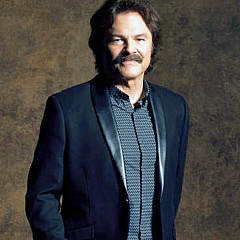
Tom Johnston from The Doobie Brothers

Tom Johnston from The Doobie BrothersSongwriter Interviews

The Doobies guitarist and lead singer, Tom wrote the classics "Listen To The Music," "Long Train Runnin'" and "China Grove."

Ian Anderson: "The delight in making music is that you don't have a formula"

Ian Anderson: "The delight in making music is that you don't have a formula"Songwriter Interviews

Ian talks about his 3 or 4 blatant attempts to write a pop song, and also the ones he most connected with, including "Locomotive Breath."

Kristian Bush of Sugarland

Kristian Bush of SugarlandSongwriter Interviews

Kristian talks songwriting technique, like how the chorus should redefine the story, and how to write a song backwards.

Chris Frantz - "Genius of Love"

Chris Frantz - "Genius of Love"They're Playing My Song

Chris and his wife Tina were the rhythm section for Talking Heads when they formed The Tom Tom Club. "Genius of Love" was their blockbuster, but David Byrne only mentioned it once.
Best Band Logos

Best Band LogosSong Writing

Queen, Phish and The Stones are among our picks for the best band logos. Here are their histories and a design analysis from an expert.

Roger McGuinn of The Byrds

Roger McGuinn of The ByrdsSongwriter Interviews

Roger reveals the songwriting formula Clive Davis told him, and if "Eight Miles High" is really about drugs.